

Have you ever stumbled upon a flag at a funeral and wondered what it’s all about? Drumroll, please. Enter the uitvaartstoetvlag, a remarkable symbol of respect that speaks volumes without saying a word. It transforms a typically somber event into a colorful, heartfelt acknowledgment of loss. In this text, we’ll jump into the rich tapestry of the uitvaartstoetvlag, peeling back layers of history and culture while sharing practical wisdom on how to honor it properly. So, grab your favorite drink, and let’s get started.
Uitvaartstoetvlag
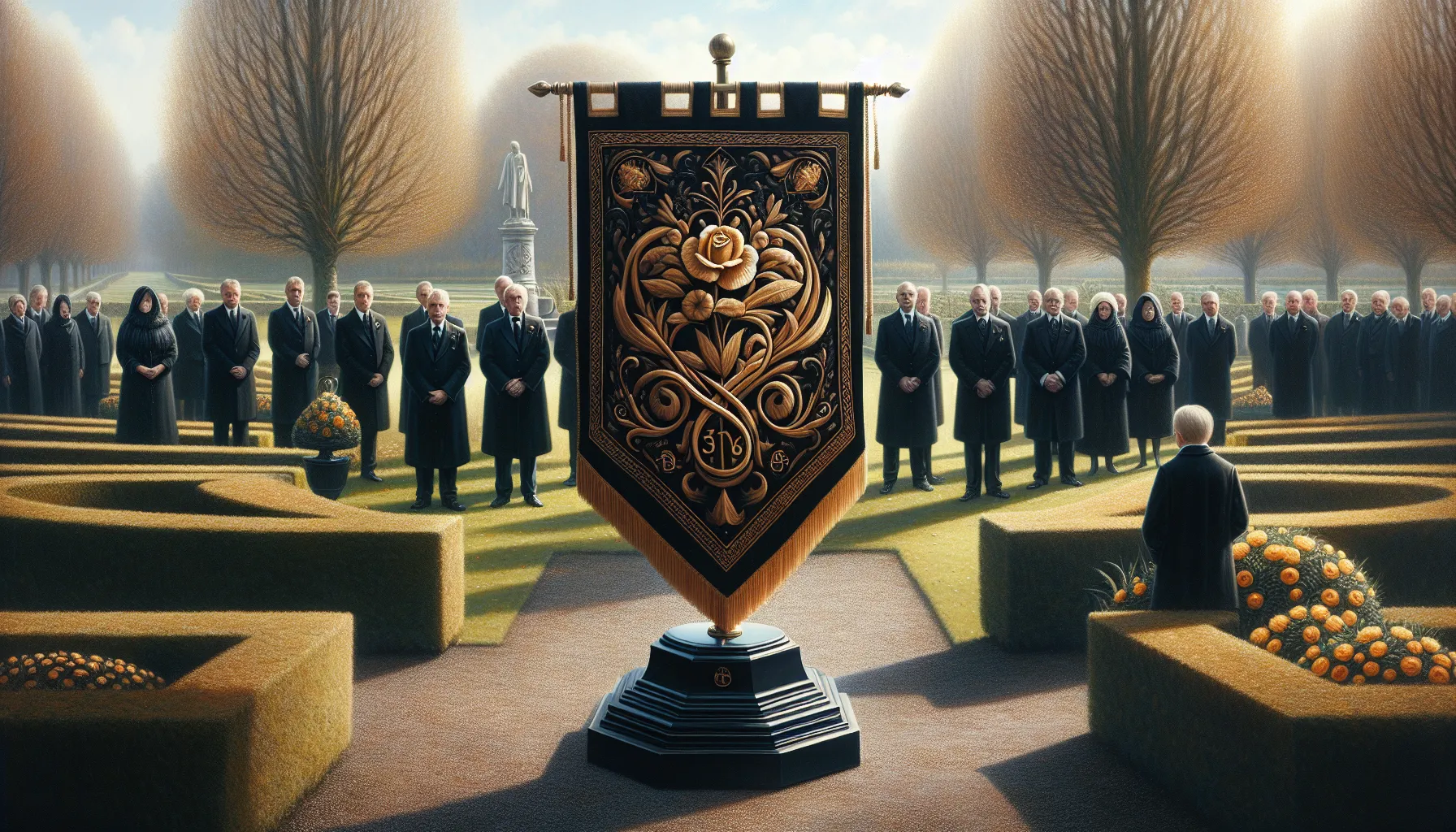
The uitvaartstoetvlag, or funeral procession flag, serves as a poignant marker during the mourning process. But what exactly is it? In essence, this flag embodies respect, remembrance, and solidarity during a time of sorrow. Its placement typically indicates that a funeral is taking place, guiding mourners and attendees alike. It’s more than just fabric: it’s a statement of community support that unites friends and family in their grief.
We find this flag most commonly found in the Netherlands, where it carries a weight of tradition. It’s often adorned with the deceased’s name and significant dates, serving as an important reminder of their life and legacy. Besides, this flag isn’t just a signifier of loss: it also prompts reflection on the memories shared with the departed.
Historical Significance of Funeral Flags
Delving into history, we uncover that funeral flags have origins that stretch back centuries. Our ancestors used cloth in various ceremonies, but the uitvaartstoetvlag took shape as a distinct symbol over time. This flag has roots in community practices where it served to announce a death and signal mourning.
As industrialization progressed, the use of funeral flags became a structured tradition. In towns across Europe, these flags served practical purposes, directing processions and preparing attendees for somber occasions. Wherever you trace its origins, one constant remains: the uitvaartstoetvlag has continuously filled the air with a sense of shared grief and love through the ages.
Cultural Variations in Mourning Flags
While the uitvaartstoetvlag is iconic in Dutch ceremonies, other cultures present unique variations on the concept of mourning flags. In many African cultures, colorful flags may serve similar purposes but with distinct designs and meanings, often rooted in rich cultural heritage.
In Asian traditions, such as in China, white flags symbolize mourning, representing purity and the cycle of life. Meanwhile, countries like Mexico observe Dia de los Muertos, where flags and banners celebrate life rather than strictly mourning loss. These flags vary in meaning and design, showcasing the diverse ways we honor and commemorate our loved ones.
Practical Uses of the Uitvaartstoetvlag
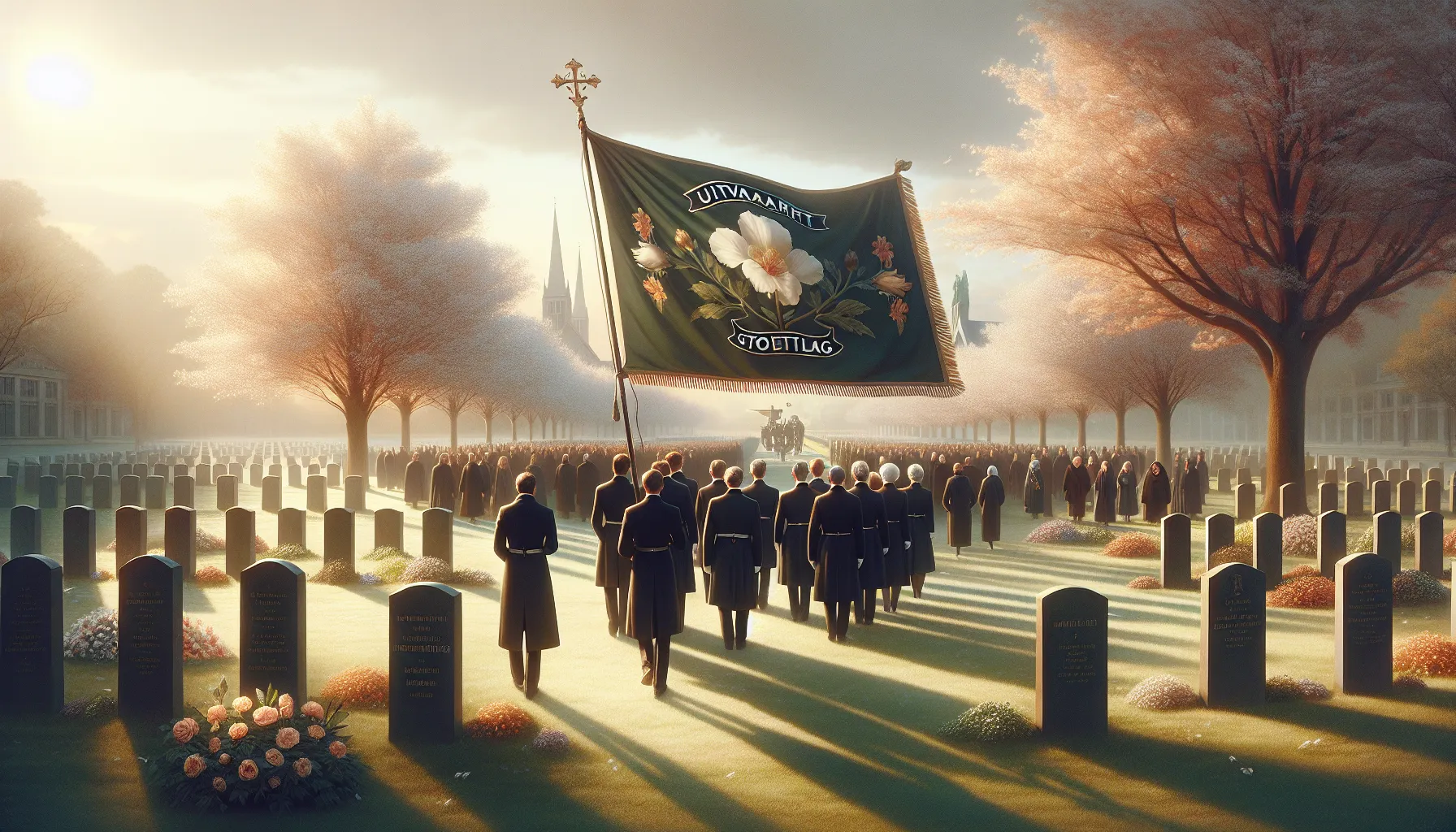
Beyond its symbolic significance, the uitvaartstoetvlag has practical applications. Its most prominent use is during funeral processions where it visibly marks the event. This aids not just the family but also the community, guiding mourners along a well-defined path of remembrance.
Also, these flags can be used at memorial services and anniversaries, bridging past and present. We often see them standing tall in homes or cemeteries, where they remind us of the impact someone’s life had on the world. Wouldn’t it be nice to see the uitvaartstoetvlag not only as a marker of loss but also a celebration of life?
How to Properly Display a Uitvaartstoetvlag
Now that we understand its importance, how should we respectfully display the uitvaartstoetvlag? The flag should be flown at half-mast during the funeral procession itself, signifying the deep sorrow felt by those in attendance. It’s a mark of respect that allows us to collectively honor the departed.
In some instances, placing the flag at home or the memorial site offers solace to grieving families. But, it’s crucial to respect the flag’s integrity: ensure it’s clean and well-kept. Flapping in the wind, it symbolizes the ongoing love and remembrance we carry in our hearts even after a loved one passes.