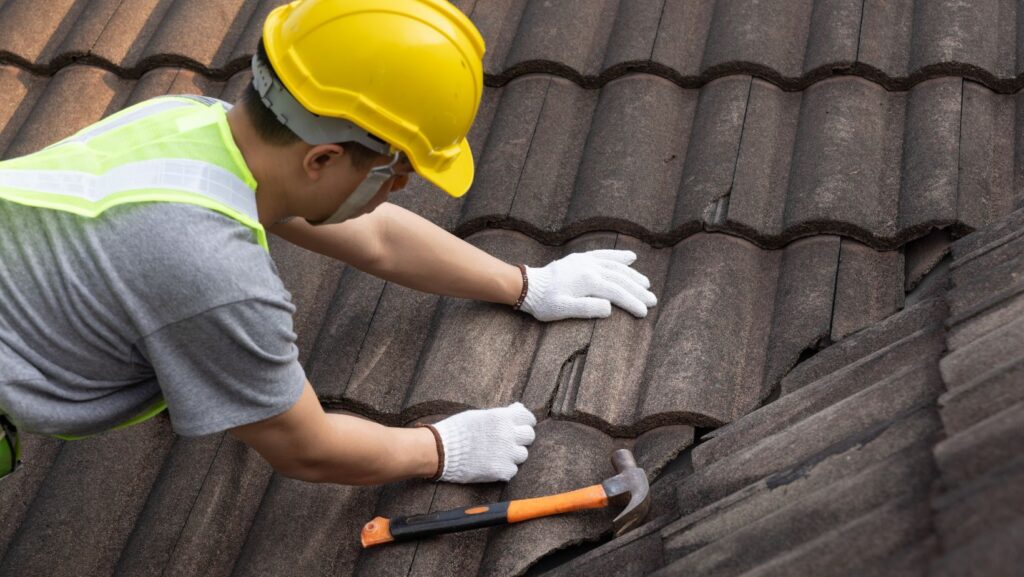
Every homeowner eventually faces the same question: is it time to patch things up, or is a full roof overhaul the smarter move? It’s not always an obvious call; a few missing shingles might seem minor, but they could signal deeper problems. Meanwhile, a roof that looks rough from the street might actually have years of life left with some targeted repairs.
Making the wrong choice costs money either way; paying for a replacement you didn’t need, or sinking repair dollars into a roof that’s past saving. Here’s how to think through the decision like a pro.
Start With Age: How Old Is Your Roof?
Roofing materials have predictable lifespans. Knowing where yours stands helps frame every other decision.
| Material | Expected Lifespan |
| Asphalt shingles (3-tab) | 15 to 20 years |
| Architectural shingles | 25 to 30 years |
| Metal roofing | 40 to 70 years |
| Clay/concrete tiles | 50+ years |
| Wood shakes | 20 to 30 years |
| Slate | 75 to 100+ years |
If your roof has reached 80% of its expected lifespan and needs significant work, replacement usually makes more financial sense than major repairs. If it’s younger and the damage is localized, repair is likely the better path.
Assess the Damage: Localized vs. Widespread
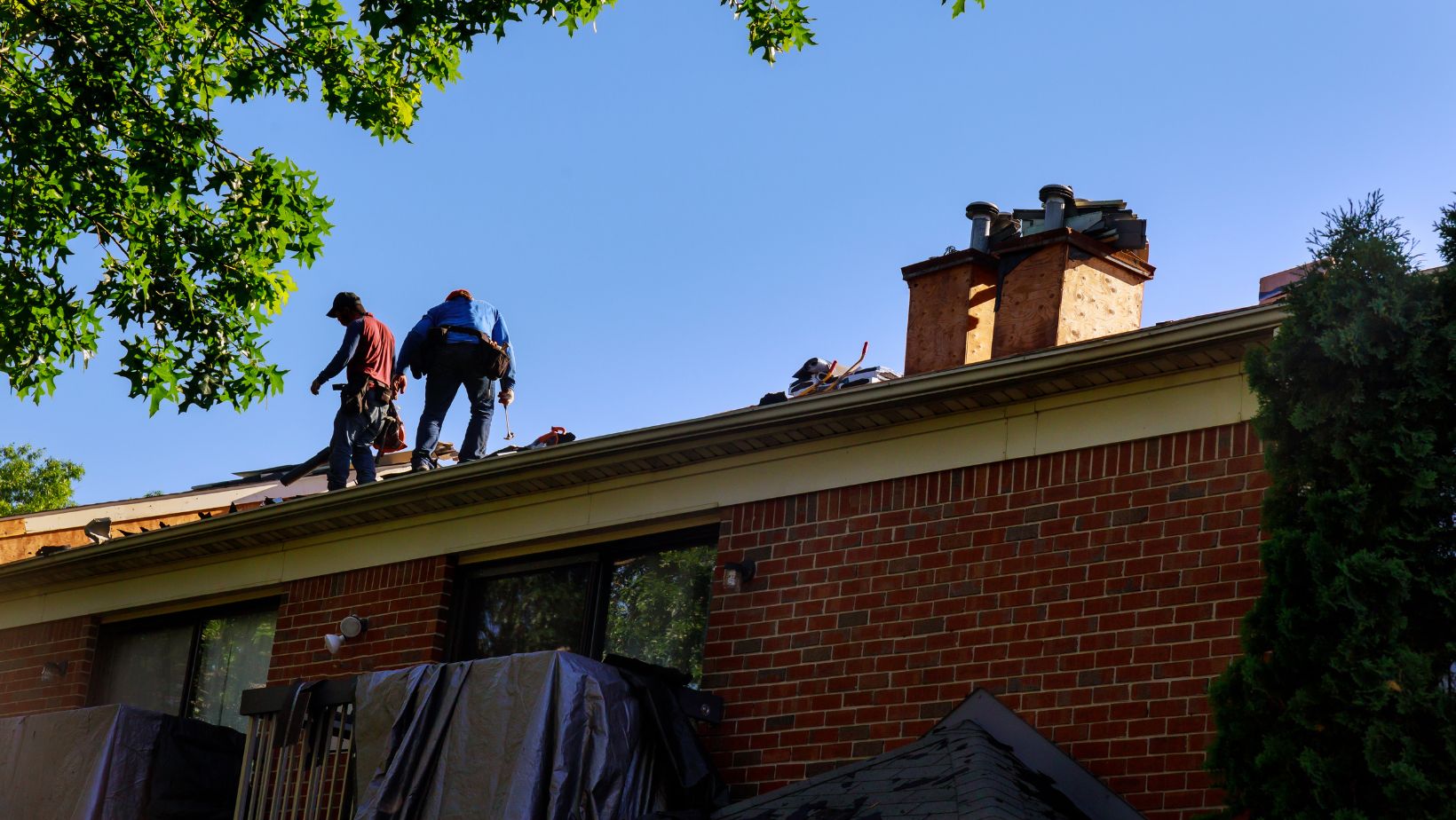
Not all roof problems are created equal. The scope of damage matters as much as the severity.
Repair makes sense when:
- Damage is confined to one section (a single slope, area around a vent)
- You’re dealing with a handful of missing or damaged shingles
- Flashing around one penetration has failed
- A small leak has been caught early
- The underlying decking is still solid
Replacement becomes the smarter choice when:
- Damage spans multiple areas or the entire roof
- Shingles are curling, buckling, or losing granules across the board
- You’ve had repeated leaks in different locations
- The decking shows signs of rot or sagging
- Previous repairs haven’t held up
Think of it like car repairs: fixing a single component on a newer vehicle makes sense. However, when multiple systems start failing on a high-mileage car, you’re often better off putting that money toward something new.
The Hidden Cost of Layering
Some homeowners opt to install new shingles over existing ones to save on tear-off costs. While this can work in limited situations, it often creates more problems than it solves.
Why layering can backfire:
- Added weight stresses the roof structure
- Trapped moisture accelerates rot you can’t see
- Uneven surfaces cause new shingles to wear unevenly
- Many warranties are voided or limited
- Future replacement becomes more expensive
If your home already has two layers of roofing, most building codes require a complete tear-off before any new installation. At that point, a roof replacement becomes the only option, so it’s worth factoring that into your current decision.
What’s Happening in the Attic?
Your attic tells a story that’s invisible from outside. Before deciding between repair and replacement, a quick interior inspection reveals critical information.
Warning signs that suggest bigger problems:
- Daylight visible through the roof boards
- Water stains on rafters or decking (even old, dried ones)
- Sagging sections in the roof structure
- Mold, mildew, or musty smells
- Insulation that’s damp, compressed, or discolored
If you’re seeing interior symptoms (especially structural sagging or widespread moisture damage) repairs to the exterior surface won’t solve the underlying issue. These situations typically call for comprehensive replacement that addresses the decking and ventilation, not just the shingles.
The Math: Repair Costs vs. Replacement Value
Here’s a practical framework for the financial decision:
Calculate your repair-to-value ratio. If the proposed repair costs more than 30% of what a full replacement would cost, replacement often makes more sense, especially on older roofs.
Example:
- Full replacement estimate: $12,000
- Proposed repair estimate: $4,500
- Ratio: 37.5% → Replacement likely the better investment
This isn’t a hard rule, but it helps frame the conversation. A $500 repair on a 10-year-old roof is almost always worthwhile. A $4,000 repair on a 22-year-old roof deserves more scrutiny.
When Repair Is the Clear Winner
Don’t let anyone talk you into a replacement you don’t need. Repairs make perfect sense for roofs under 15 years old dealing with localized damage, or when storm damage is limited to a single area rather than spread across the entire surface. The same goes for situations where a single flashing failure caused a leak; that’s a targeted fix, not a reason to tear everything off.
Repairs also make sense if you’re planning to sell soon and simply need the roof functional rather than brand new, or when inspection confirms the underlying structure and decking remain sound despite surface-level wear. A skilled contractor can often extend a roof’s life significantly with targeted repairs, buying you years before replacement becomes necessary.
When Replacement Is the Right Call
Sometimes, the numbers and the symptoms all point the same direction. When age combines with widespread wear, you hit a point of diminishing returns where every repair dollar feels wasted. Multiple leak points in different areas suggest systemic failure rather than isolated problems, and climbing energy bills often trace back to poor roof insulation or ventilation that patchwork fixes won’t solve.
Replacement also makes sense when you’re planning a major renovation and want all your home’s systems aligned on the same timeline. Don’t overlook the practical side; insurance claims or warranty considerations sometimes make starting fresh the most straightforward path forward. Modern materials offer better energy efficiency, longer warranties, and improved curb appeal that can significantly boost your home’s value.
Endnote
The repair-vs-replace decision comes down to three factors: age, scope of damage, and cost ratio. A young roof with minor damage should be repaired. An aging roof with widespread issues should be replaced. If your roof is somewhere in between, get multiple professional opinions and run the numbers.
Either way, addressing roof problems promptly (whether through repair or replacement) protects everything beneath it. Your home’s most important job is keeping you safe and dry. Make sure the roof is up to the task.