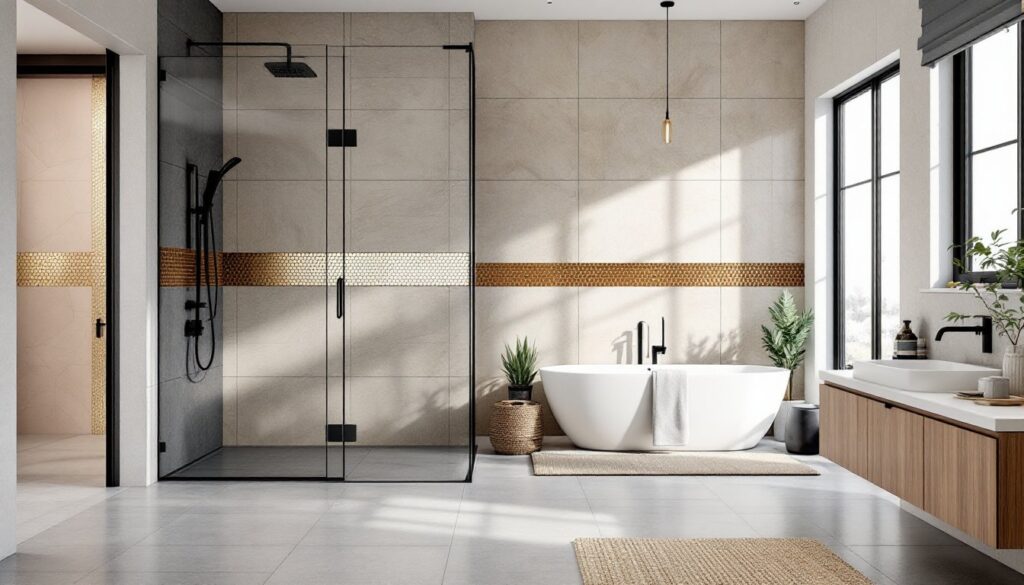
Bathroom tile design has shifted dramatically in 2026, moving beyond safe neutrals and subway patterns toward bolder, more expressive materials. Today’s homeowners are treating bathroom tile as a design statement rather than an afterthought, blending aesthetic ambition with practical durability. Whether planning a full remodel or a targeted refresh, understanding current tile trends helps ensure the finished space feels both contemporary and timeless. From oversized slabs to revived retro patterns, the latest designs prioritize visual impact, texture variety, and increasingly, environmental responsibility. Here’s what’s defining bathroom tile design right now.
Key Takeaways
- Bold geometric patterns and natural stone textures are defining bathroom tile design in 2026, replacing neutral tones with expressive materials that make design statements.
- Large-format tiles (24×48 inches or bigger) reduce grout lines and create seamless modern aesthetics, but require perfectly flat substrates and specialized installation to prevent lippage.
- Natural stone tiles like travertine and slate demand professional sealing and proper underlayment, with material costs ranging from $8–$25 per square foot depending on type.
- Terrazzo and speckled porcelain designs offer vibrant, playful colorways while hiding soap scum and water spots, making them practical for high-traffic family bathrooms.
- Sustainable bathroom tile options, including recycled glass and reclaimed ceramic tiles, deliver environmental benefits without requiring special installation techniques.
- Metallic and reflective tile accents work best in moderation—a 4-inch accent strip or shower niche adds sophistication without overwhelming the space.
Bold Geometric Patterns Making a Statement
Geometric tiles have moved from accent walls to full-room installations, with 2026 designs favoring sharp contrasts and layered patterns. Hexagons, chevrons, and Moroccan-inspired zellige shapes are appearing in both floor and wall applications, often mixing multiple patterns within the same space.
Porcelain and ceramic versions dominate this category due to their durability in wet environments and ease of maintenance. Standard geometric tiles typically measure 8×8 inches or smaller, allowing for intricate layouts. Hexagons often come in 3-inch or 5-inch face widths, while larger chevron planks can span 4×12 inches or more.
Installation requires precision. Geometric patterns demand accurate layout planning, starting from the room’s center point and working outward prevents awkward cuts at prominent edges. A laser level and tile spacers are essential. For complex mosaics supplied on mesh backing, applying thin-set mortar evenly and working in small sections (about 3 square feet at a time) prevents premature drying.
Pattern mixing is trending but requires restraint. Combining a bold floor pattern with a simpler geometric wall tile (or vice versa) maintains visual balance. Going bold on both surfaces can overwhelm smaller bathrooms under 50 square feet.
Grout color dramatically affects the final look. Contrasting grout (dark grout with light tile or vice versa) emphasizes the pattern geometry, while matching grout creates a softer, more cohesive appearance. Epoxy grout is worth considering for geometric floor tiles in high-traffic bathrooms, it resists staining better than standard cement-based grout and holds up under moisture exposure.
Natural Stone and Organic Textures Take Center Stage
Natural stone tile has regained popularity as homeowners prioritize authenticity and texture over uniformity. Travertine, limestone, and slate are leading choices, valued for their irregular surfaces and natural color variation. Unlike the polished marble that dominated previous decades, 2026 trends favor honed or textured finishes that provide slip resistance and a more relaxed aesthetic.
Travertine tiles commonly come in 12×12 inch, 16×16 inch, or 12×24 inch formats. The material’s natural pitting and veining mean no two tiles look identical, which appeals to designers seeking organic, less predictable looks. Filled travertine (where holes are filled with resin or grout during manufacturing) offers a smoother surface for walls, while unfilled works well for rustic floor applications when properly sealed.
Sealing is non-negotiable with natural stone. These materials are porous and will absorb water, oils, and staining agents without protection. Apply a penetrating sealer after installation and reapply annually in wet areas. Some installers prefer sealing before grouting to prevent grout haze from bonding to the stone surface.
Limestone and slate bring cooler tones, grays, blues, and greens, that pair well with modern fixtures and matte black hardware. Slate’s natural cleft surface provides excellent traction for shower floors but requires a thicker mortar bed (at least 3/8 inch) to accommodate its irregular backing.
Budget considerations matter here. Natural stone typically costs $8–$25 per square foot for materials alone, depending on stone type and sourcing. Installation often runs higher than standard ceramic due to the weight and variability of the material. Factor in the cost of proper underlayment, stone tile needs a solid, deflection-resistant substrate, often requiring cement backer board over plywood subfloors.
Large Format Tiles for Seamless Modern Aesthetics
Large format tiles, typically defined as anything larger than 15×15 inches, continue to dominate contemporary bathroom designs in 2026. Sizes like 24×48 inches, 36×36 inches, and even 48×120 inch slabs are increasingly common, reducing grout lines and creating a sleek, continuous look.
These tiles shine in modern, minimalist bathrooms where visual simplicity is the goal. Fewer grout lines mean less maintenance, reduced mold risk, and a more expansive feel in smaller spaces. Porcelain is the material of choice for large formats due to its strength, moisture resistance, and ability to mimic natural materials like marble, concrete, or wood.
Installation challenges scale with tile size. Large format tiles require perfectly flat substrates, any variation beyond 1/8 inch over 10 feet can lead to lippage (edges that don’t align). Self-leveling compound is often necessary before installation begins. These tiles also demand large-format thin-set mortar with non-sag properties, applied with a 1/2-inch square-notch trowel to ensure full coverage and prevent voids that can crack the tile.
Handling is another consideration. A 36×36 inch porcelain tile can weigh over 30 pounds. A tile suction lifter or a second set of hands becomes essential, especially for wall installations. Most pros recommend a wet saw with at least a 10-inch blade for cutting large format tiles, smaller saws won’t span the full width.
One often overlooked detail: large format tiles on floors need slight slopes toward drains, especially in curbless showers. Because there are fewer grout lines to channel water, the substrate pitch becomes more critical. Building codes typically require a minimum 1/4 inch of slope per foot in shower areas.
Terrazzo and Speckled Designs Return in Fresh Colorways
Terrazzo has roared back into bathroom design, shedding its institutional past for vibrant, playful iterations. The 2026 versions feature larger chips, bolder color palettes, and surprising combinations, think blush pink bases with emerald and navy flecks, or charcoal grounds with brass and white aggregates.
Modern terrazzo tiles are predominantly porcelain rather than traditional poured-in-place cement terrazzo, making them more DIY-friendly and cost-effective. Standard sizes include 12×12 inch, 12×24 inch, and 24×24 inch formats. Porcelain terrazzo replicates the look without the weight, porosity, or maintenance headaches of authentic cement terrazzo.
Speckled and confetti-style tiles fall into this same aesthetic family. These designs scatter small colored flecks across a solid background, creating visual interest without pattern repetition. They’re particularly effective for hiding soap scum, water spots, and minor wear, a practical advantage in busy family bathrooms.
Installation follows standard porcelain tile methods, but grout color selection becomes important. Because terrazzo already contains multicolored elements, neutral gray or off-white grout typically works best, preventing visual competition. Some installers match grout to the tile’s base color for a more seamless appearance.
Terrazzo’s busy surface makes it ideal for floors and shower pans, but it can overwhelm when used floor-to-ceiling. Pairing terrazzo floors with solid-color wall tiles balances the design. Conversely, using terrazzo as a feature wall behind a freestanding tub or vanity creates a focal point without overload.
Authentic poured terrazzo remains an option for high-end remodels but requires professional installation and costs significantly more, often $50–$100 per square foot installed. The porcelain alternative delivers similar aesthetics at $6–$15 per square foot for materials.
Metallic Finishes and Reflective Surfaces
Metallic and reflective tiles bring unexpected dimension to bathrooms, catching and bouncing light in ways matte surfaces can’t match. Brushed brass, copper, gunmetal, and iridescent glass tiles are appearing as accent strips, backsplashes, and shower niches.
These tiles work best in moderation. A full metallic wall can feel cold or overwhelming, but a 4-inch accent strip at chair rail height or a metallic mosaic in the shower niche adds sophistication. Glass tiles with metallic backing are particularly popular, they combine the reflective quality of metal with the waterproof properties and easier maintenance of glass.
Installation demands attention to thin-set color. Metallic glass tiles are often translucent, meaning the adhesive shows through. Use white thin-set mortar to prevent discoloration, and avoid notch trowel ridges by back-buttering each tile and flattening the mortar completely.
Mother-of-pearl and shell tiles also fall into the reflective category, offering natural iridescence. These are typically mounted on mesh sheets in small mosaic formats (1×1 inch or smaller chips). They’re stunning but require gentle handling, shell is softer than ceramic and can crack under heavy pressure during installation.
Cleaning metallic tiles differs from standard ceramic. Avoid abrasive cleaners and acidic solutions that can dull metallic finishes. A pH-neutral tile cleaner and soft cloth maintain the luster without scratching.
Cost varies widely. Basic metallic-look porcelain tiles start around $8 per square foot, while authentic metal tiles or premium glass mosaics can reach $40+ per square foot. Shell and mother-of-pearl tiles often fall in the $25–$50 per square foot range.
Sustainable and Eco-Friendly Tile Materials
Environmental considerations are shaping tile manufacturing and selection in 2026. Homeowners increasingly seek tiles made from recycled content, produced with reduced carbon emissions, or sourced from reclaimed materials.
Recycled glass tiles lead the sustainable category, incorporating post-consumer glass (bottles, windows) into colorful mosaics and full-size tiles. These tiles perform identically to standard glass tile, they’re waterproof, stain-resistant, and durable, while diverting waste from landfills. Many contain 70%–100% recycled content and are available in vibrant colors difficult to achieve with natural materials.
Reclaimed ceramic and porcelain tiles salvaged from demolition projects offer one-of-a-kind character. Architectural salvage yards and specialty suppliers stock these, though availability is unpredictable and quantities limited. Expect variations in thickness and condition, some reclaimed tiles require cleaning or repairing before installation.
Several manufacturers now produce tiles with recycled porcelain and ceramic content, grinding production scraps and rejected tiles into raw material for new batches. These look identical to virgin-material tiles but reduce manufacturing waste.
Natural clay tiles fired at lower temperatures require less energy than high-fired porcelain. Some artisan producers use solar kilns or carbon-neutral firing methods, though these specialty products command premium prices and longer lead times.
Certifications help identify genuinely sustainable options. Look for GREENGUARD certification (low VOC emissions), Cradle to Cradle ratings, or documentation of recycled content percentages. Be skeptical of vague “eco-friendly” marketing without specifics.
Sustainable tiles don’t require special installation techniques, standard methods apply. The environmental benefit comes from material sourcing and manufacturing, not application differences.
Conclusion
The latest bathroom tile designs balance visual ambition with practical performance, offering options that range from bold pattern statements to understated organic textures. Whether drawn to geometric precision, natural stone authenticity, or eco-conscious materials, homeowners in 2026 have access to tile options that support both aesthetic goals and long-term durability. Successful tile selection considers not just appearance but installation requirements, maintenance realities, and how the design will age over years of daily use. With proper planning and attention to substrate prep, these trends translate into bathrooms that feel current without sacrificing function.