
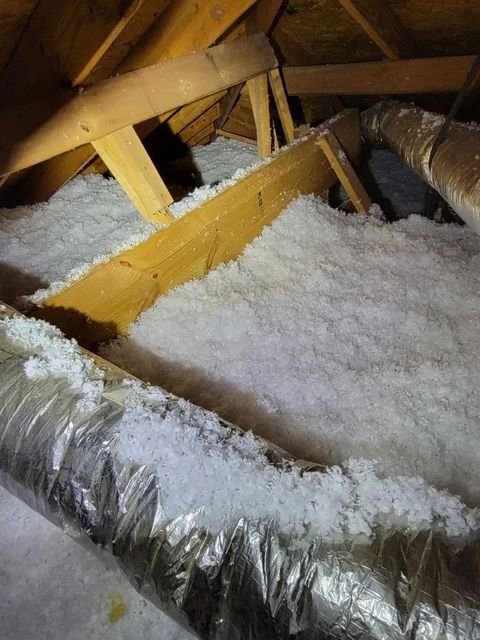
An attic can look properly insulated while still allowing significant heat to enter a home. Uneven coverage, compressed material, and exposed areas around ceiling joists can create weak points in the thermal barrier. During Houston’s long, hot summers, these problems can make upstairs rooms harder to cool and increase the workload on residential HVAC systems.
One solution commonly used in residential properties is blown in insulation. Unlike traditional batts or rolls, this material is installed using specialized equipment that distributes loose insulation across attic surfaces. The method is particularly useful for covering irregular spaces and improving insulation coverage around framing members.
However, the quality of the result depends on more than the material itself. Homeowners should understand how blown-in insulation works, which properties benefit from it, and what preparation is necessary before installation.
What Is Blown-In Insulation and How Does It Work?
Blown-in insulation consists of loose fibers that are mechanically distributed using an insulation blowing machine. The equipment moves the material through a flexible hose, allowing installers to apply it across attic floors and other suitable areas.
In residential construction, common materials include fiberglass and cellulose. Fiberglass consists of fine glass fibers, while cellulose is generally manufactured from processed recycled paper products treated with fire-retardant additives.
The material forms an insulating layer that slows heat transfer between the attic and conditioned living space. Because it is applied in loose form, it can cover areas that are difficult to reach with conventional insulation products.
The installed depth and density determine the resulting thermal resistance. This is measured using R-value, which indicates how effectively a material resists heat flow. Higher R-values represent greater resistance, although actual performance also depends on installation quality and the condition of the surrounding building assembly.
For Houston homes, maintaining adequate insulation is particularly important because prolonged outdoor heat can increase the amount of thermal energy entering the living space through the attic.
The Main Benefits of Blown-In Attic Insulation
Blown-in materials offer several practical advantages, especially when upgrading existing residential attics.
1. More Consistent Coverage
Loose insulation can be distributed around framing members, wiring, and other irregular areas. This makes it useful for covering large attic floors where conventional batts may leave gaps or require extensive cutting.
2. Suitable for Insulation Upgrades
When existing insulation is clean, dry, and in acceptable condition, additional material may be installed over it. This can increase the overall R-value without requiring complete removal.
3. Improved Thermal Performance
A properly installed insulation layer slows heat transfer between the attic and living areas. During Houston summers, this can help reduce heat gain through the ceiling and support more stable indoor temperatures.
4. Adaptability to Different Attic Layouts
Older residential properties often contain irregular framing, narrow spaces, and obstacles that complicate conventional insulation installation. Blown-in materials can accommodate many of these conditions.
5. Efficient Installation Across Large Areas
Specialized blowing equipment allows installers to distribute insulation across substantial attic areas without manually placing individual sections of material.
These benefits depend on proper preparation and application. Loose insulation cannot compensate for major air leaks, roof damage, or an improperly designed ventilation system.
Fiberglass Blown-In Insulation vs. Other Materials
Not all blown-in insulation products have the same characteristics. Fiberglass and cellulose are two commonly used options, and their suitability depends on the property’s requirements.
Fiberglass blown-in insulation is made from fine glass fibers and is valued for its thermal resistance, relatively low weight, and suitability for attic applications. It can be particularly practical when homeowners want to increase insulation depth without placing excessive additional weight on the ceiling structure.
Cellulose is manufactured primarily from recycled paper fibers. It generally has a higher installed density than loose-fill fiberglass and may provide good coverage in appropriately designed applications.
The choice should account for several factors:
- Thermal requirements: The R-value needed to achieve the intended insulation performance.
- Existing conditions: Whether the attic contains older insulation that can remain or requires removal.
- Moisture exposure: Whether leaks or other moisture sources could compromise the installation.
- Attic configuration: Available space, framing layout, access, and existing ventilation arrangements.
- Installation requirements: The manufacturer’s specifications for material depth, density, and application.
Homeowners should request product-specific information rather than assume that all loose-fill materials perform identically. Installation depth alone does not establish the final R-value.
Where Blown-In Insulation Is Most Effective
The most common residential application is the attic floor, where insulation separates conditioned rooms from the unconditioned attic space.
This is especially relevant in Houston, where roof surfaces receive prolonged solar exposure during summer. If the ceiling assembly has insufficient thermal resistance, heat can move into the rooms below, making the cooling system work harder.
Blown-in insulation is also useful when upgrading older attics that contain shallow or uneven insulation. Rather than replacing an entire system unnecessarily, a contractor may be able to retain suitable existing material and add another layer.
However, the method is not appropriate for every location. Wall cavities, sloped roof assemblies, and enclosed spaces require materials and installation methods suited to their specific construction.
For example, insulating a vented attic floor is different from insulating the underside of a roof deck. These approaches affect the building’s thermal and moisture-control strategy differently and should not be treated as interchangeable.
Why Preparation Matters Before Insulation Installation
One of the most important stages of a blown-in insulation project takes place before the blowing equipment is switched on.
Existing attic conditions must be evaluated to determine whether additional material can be installed safely and effectively. Covering damaged insulation or ignoring active moisture problems can create more expensive issues later.
A professional assessment should include:
- Roof condition: Check for leaks, water stains, and damaged roofing components.
- Existing insulation: Identify its type, depth, distribution, and condition.
- Air leakage: Inspect openings around wiring, plumbing penetrations, ceiling fixtures, and attic access points.
- Ventilation: Ensure that soffit and other ventilation pathways are not blocked by insulation.
- Pest activity: Look for evidence of rodents, insects, nesting materials, or contamination.
Air sealing deserves particular attention. Insulation slows heat transfer through materials, but it does not automatically prevent air movement through gaps. Sealing appropriate openings before adding insulation helps create a more effective boundary between the living space and attic.
Moisture problems must also be addressed at their source. If insulation has been affected by roof leaks or persistent dampness, removal and replacement may be necessary. Simply covering the affected area is not an adequate repair.
How Houston’s Climate Influences Blown-In Insulation Performance
Houston’s humid subtropical climate creates a demanding environment for residential insulation systems. High summer temperatures increase cooling requirements, while elevated outdoor humidity makes moisture management an important part of attic maintenance.
When warm, humid air enters attic spaces and encounters sufficiently cool surfaces, condensation can develop. Depending on the building assembly, this moisture may affect insulation, roof components, and surrounding materials.
Proper attic ventilation can help manage heat and moisture in appropriately designed vented assemblies. However, ventilation is not a substitute for insulation or air sealing. All three components must function together.
Homeowners should also consider the condition of attic ductwork. Leaking or poorly insulated ducts can lose conditioned air into a hot attic, reducing HVAC performance even when the insulation layer is adequate.
A well-planned upgrade should therefore consider the entire attic environment rather than focus exclusively on the amount of new material being installed.
What Determines the Cost of Blown-In Insulation?
The cost of a residential insulation project depends on the amount of material required and the condition of the existing attic.
Important pricing factors include the total area, desired R-value, insulation type, attic accessibility, and amount of preparation required. Additional expenses may apply when old insulation needs removal, contaminated material requires special handling, or air-sealing work is necessary.
When comparing estimates, homeowners should check whether the proposal specifies:
- The insulation product and its intended R-value.
- The estimated installation depth and coverage area.
- Whether existing material will remain or be removed.
- Whether air sealing and attic preparation are included.
- Any additional charges for cleanup, disposal, or repairs.
A detailed estimate is more useful than a general price per square foot because it explains what work will actually be performed.
Choosing Professional Blown-In Insulation Services
Proper installation requires suitable equipment, knowledge of insulation materials, and an understanding of residential building assemblies. Incorrect application can result in uneven coverage, blocked ventilation openings, or insufficient insulation depth.
Homeowners in Greater Houston evaluating local contractors should look for providers who inspect the attic before recommending a solution and explain the reasoning behind their proposed installation.
EZ Home Solutions provides residential attic insulation services in Houston, including fiberglass blown-in insulation installation and insulation upgrades. An assessment of the existing attic can help establish whether additional insulation is appropriate or whether other issues need to be corrected first.
For homeowners researching blown-in insulation services, the most important consideration is finding a solution that addresses the property’s actual thermal and moisture conditions rather than simply adding material.
Making an Informed Decision About Attic Insulation
Blown-in insulation is a practical option for many residential attics, particularly when existing coverage is insufficient or uneven. Its ability to fill irregular spaces and increase insulation depth makes it useful for both older homes and newer properties requiring improvements.
Nevertheless, successful installation depends on several factors: appropriate material selection, correct R-value, adequate preparation, effective air sealing, and unobstructed ventilation where required.
In Houston’s hot and humid climate, these details have a direct impact on long-term attic performance. Before investing in an upgrade, homeowners should have the existing insulation and surrounding building components evaluated.
The best insulation project is not necessarily the one that uses the most material, but the one that creates a properly designed and consistently installed thermal barrier suited to the home.
EZ Home Solutions
📍 Address: 4801 Woodway Dr #205W, Houston, TX 77056
📞 Phone: +1 (346) 463-6543
🌐 Website: https://homesolutionsez.com/