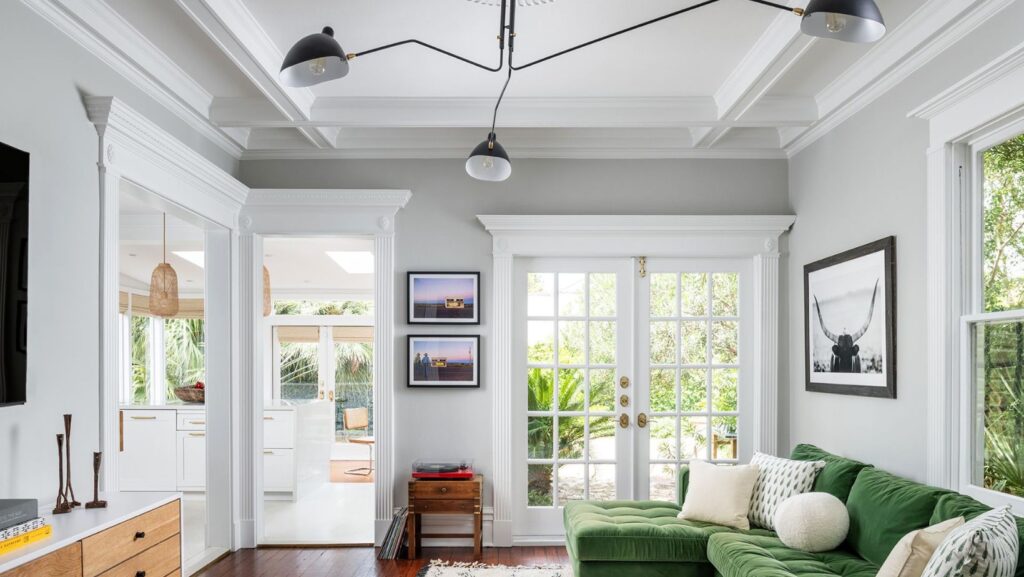
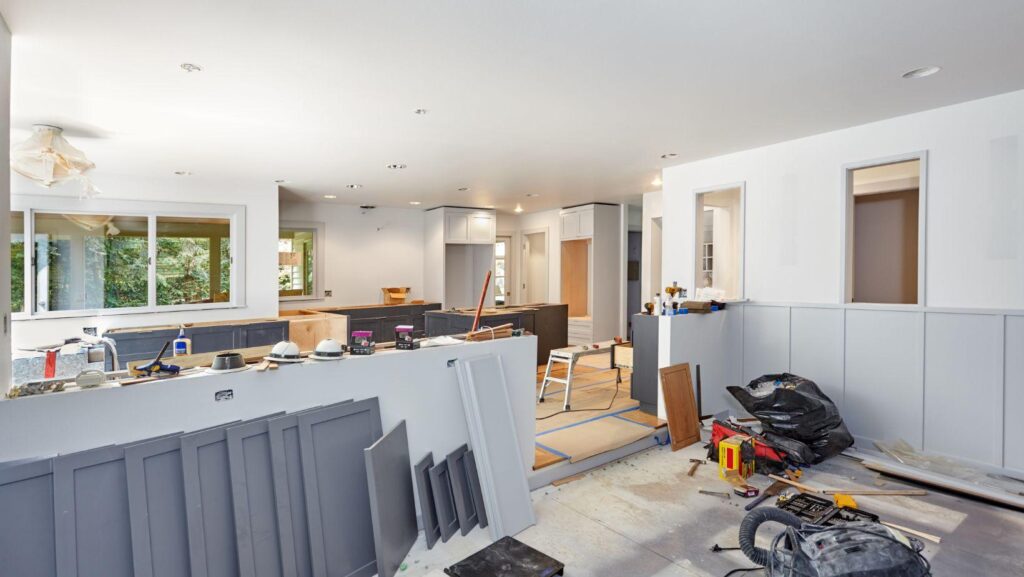
Selling a home often comes with one big question: Should you renovate before listing, or sell it as it is? While updating a property can make it more attractive to buyers, spending too much rarely guarantees a higher sale price. The smartest renovation decisions are based on expected return, neighborhood values, and buyer demand—not personal preferences.
Many homeowners fall into the trap of renovating for themselves instead of renovating for the market. Features that feel luxurious may not add enough value to justify their cost. On the other hand, relatively affordable improvements can leave a strong first impression and help a home sell more quickly.
If you’re preparing to sell, here’s how to balance remodeling expenses with your home’s likely resale value.
Start With Your Home’s Current Market Value
Before planning any renovation, determine what your home is likely worth in today’s market. Looking at recent comparable sales—often called “comps”—gives you a realistic benchmark for pricing and helps identify what buyers expect within your neighborhood.
Pay attention to homes with similar:
- Square footage
- Lot size
- Age
- Number of bedrooms and bathrooms
- Overall condition
If comparable homes are selling for $450,000, investing $100,000 in upgrades probably won’t allow you to list for $550,000. Every neighborhood has an upper pricing limit, and buyers are often unwilling to pay far beyond what nearby properties have recently sold for.
Understand Remodeling Return on Investment
Not every renovation produces the same financial return. Some improvements consistently recover much of their cost, while others add very little resale value.
According to the 2025 Cost vs. Value Report published by the Journal of Light Construction, a garage door replacement generated an average 268% return on investment, while replacing a steel entry door returned approximately 216%. Even a minor kitchen remodel averaged about 113% ROI, demonstrating that smaller, targeted updates often outperform expensive overhauls. See the full report at https://www.jlconline.com/cost-vs-value/2025/.
Similarly, the 2025 Remodeling Impact Report from the National Association of REALTORS® found that installing a new steel front door achieved an estimated 100% cost recovery, while closet renovations recovered about 83% of their cost and fiberglass front doors returned approximately 80%. Read the report at https://www.nar.realtor/research-and-statistics/research-reports/remodeling-impact.
These findings suggest that buyers often notice improvements that enhance curb appeal, functionality, and overall condition more than luxury upgrades.
Avoid Spending Beyond Your Neighborhood
One of the most common mistakes homeowners make is improving a property far beyond surrounding homes.
For example, installing premium custom cabinetry, imported stone flooring, or luxury appliances may look impressive, but buyers comparing your home with similar listings may not be willing to pay enough extra to cover those costs.
Instead, aim for consistency. Your home should compete well with nearby listings without dramatically exceeding them.
Questions worth asking include:
- What finishes do comparable homes typically have?
- Which upgrades appear most often in recent sales?
- Are buyers expecting move-in-ready condition or willing to renovate themselves?
The answers often reveal where your remodeling budget should—and should not—go.
Prioritize Improvements Buyers Actually Notice
Some renovations create immediate visual impact without requiring a massive investment.
Many buyers pay close attention to:
- Fresh interior paint
- Updated lighting fixtures
- Clean landscaping
- Refinished flooring
- Neutral décor
- Minor kitchen updates
- Bathroom refreshes
- Attractive entryways
These improvements can help buyers picture themselves living in the home while making the property feel well maintained.
Meanwhile, expensive specialty features—such as elaborate wine cellars, luxury home theaters, or highly customized built-ins—appeal to a much smaller audience and may not influence offers very much.
Consider Current Buyer Expectations
Buyer expectations continue to evolve, particularly as affordability remains an important factor in many housing markets.
The 2025 Consumer Housing Trends Report from Zillow, based on surveys of more than 5,000 buyers and 6,200 sellers, found that 78% of sellers said professional photography makes them more likely to hire an agent. While photography isn’t technically a renovation, it demonstrates how presentation can influence buyer interest alongside physical improvements. View the report at https://www.zillowstatic.com/bedrock/app/uploads/sites/33/2024/09/2025-Consumer-Housing-Trends-Report-for-Agents.pdf.
Presentation, cleanliness, and thoughtful updates often work together to create stronger first impressions than expensive remodeling projects alone.
Build a Practical Remodeling Budget
Rather than deciding on renovations first, determine your total budget based on your expected sale price.
A practical approach includes:
- Estimate your likely selling price.
- Calculate expected selling expenses.
- Reserve funds for unexpected repairs.
- Prioritize projects with strong resale potential.
- Avoid borrowing heavily for cosmetic improvements alone.
Having a spending limit makes it easier to evaluate each project objectively instead of making emotional decisions during the renovation process.
Know When to Stop Renovating
Many projects begin with a modest budget but gradually expand into much larger renovations.
A kitchen refresh becomes a complete redesign.
A bathroom update becomes relocating plumbing.
A flooring replacement turns into removing walls.
At every stage, ask yourself one question:
Will this increase my home’s sale price enough to recover the investment?
If the answer is uncertain, stopping may be the smarter financial decision.
Remember that buyers purchase homes for many reasons, including location, layout, school districts, commute times, and neighborhood appeal. Renovations matter, but they represent only one part of the overall value.
Think About Selling Strategy Too
Sometimes the best financial decision isn’t completing another remodeling project—it may be preparing the property for market with careful pricing and effective marketing instead.
If you’re researching options for selling fast in Stockbridge or another competitive market, understanding buyer demand and local pricing trends can help you determine whether additional renovations are likely to produce worthwhile returns.
Likewise, thoughtful preparation goes beyond construction work. Small improvements, decluttering, staging, and presentation all play a role in selling your home successfully without unnecessary spending.
Remodeling Trends Worth Watching
The remodeling industry remains active despite changing market conditions.
According to the 2025 Remodeling Impact Report, 42% of remodeling professionals reported an increase in projects during the previous two years, while 57% said average project sizes had grown. Interestingly, 89% of homeowners surveyed indicated that housing affordability was not the deciding factor behind their remodeling decisions.
While these trends show homeowners continue investing in their properties, sellers should remember that personal remodeling goals differ from renovations intended to maximize resale value.
Conclusion
Preparing a home for sale isn’t about completing every renovation on your wish list. It’s about making thoughtful investments that align with buyer expectations, neighborhood values, and realistic resale potential.
Start with comparable home sales, understand which projects historically recover the most money, and establish a firm budget before work begins. Small improvements that improve appearance, functionality, and first impressions frequently outperform expensive luxury upgrades.
By evaluating every remodeling decision through the lens of return on investment rather than emotion, you’ll be in a stronger position to protect your budget while giving buyers exactly what they’re looking for.