For many households today, keeping housing costs manageable can feel like an uphill climb. Between rising rents, maintenance needs, and the desire to create a comfortable home, balancing affordability with quality of life often requires creativity and strategic decision-making. Fortunately, “upgrading” your living situation doesn’t always mean spending more money. With the right approach, small and thoughtful improvements can make a big difference in both comfort and cost-efficiency—helping you stretch your housing budget further than you might expect.
This article explores how smart upgrades—ranging from energy-efficient adjustments to organization hacks—can improve your space, reduce monthly bills, and add value to your daily life without draining your wallet.
Rethinking What an “Upgrade” Really Means
When people hear the word “upgrade,” they often think of luxury renovations or expensive remodels. But true upgrades don’t have to be flashy or costly. In fact, the smartest improvements are the ones that deliver long-term savings and functionality.
An upgrade can be as simple as replacing an outdated light fixture with an energy-efficient LED option, sealing air leaks around windows, or reorganizing your kitchen to make better use of limited space. Each of these actions may seem minor, but collectively, they can save money, reduce energy usage, and make your home a more enjoyable place to live.
The goal is to focus on value over volume—to find changes that give you the most impact for the least financial strain.
The Power of Energy Efficiency
Energy bills are often one of the biggest recurring costs in a household budget. Making your home more energy-efficient doesn’t just reduce your environmental footprint; it can also lead to noticeable monthly savings.
Start Small: The Easy Wins
- Switch to LED Lighting: LEDs use about 75% less energy than traditional incandescent bulbs and last up to 25 times longer. The initial cost might be slightly higher, but they pay for themselves quickly through lower utility bills.
- Unplug Idle Electronics: Devices that stay plugged in even when not in use can still draw “phantom power.” Unplugging chargers, appliances, and entertainment systems when not in use can trim unnecessary energy costs.
- Seal Drafts: Air leaks around windows and doors can make heating and cooling systems work overtime. Simple weatherstripping or caulking can keep conditioned air inside, helping you save on heating and cooling.
Consider Long-Term Upgrades
For renters or homeowners looking to make more permanent changes, investing in energy-efficient appliances can pay off over time. Refrigerators, washing machines, and dishwashers with Energy Star ratings use significantly less electricity and water, which means lower bills every month.
Even better, many local governments and utilities offer rebates or incentives for upgrading to efficient systems. These programs can make an eco-friendly choice a financially smart one too.
Creative Storage and Space Optimization
Maximizing your space is another way to get more value out of your home without increasing your costs. By thinking vertically and making use of underutilized areas, you can create a more functional and organized environment.
Reclaiming Wasted Space
Look around your living area—chances are, there are corners, walls, or closets that could be put to better use. Floating shelves, wall-mounted hooks, and multi-functional furniture (like ottomans with storage or fold-out desks) can help you store more without feeling cluttered.
If you live in an apartment or smaller home, efficiency is especially key. Stackable bins, over-the-door organizers, and modular storage units can make a world of difference in keeping things tidy and accessible.
DIY Projects for Big Impact
Not all home improvements require professional installation. With a bit of creativity, you can tackle low-cost DIY projects that enhance both function and style:
- Painting an accent wall to freshen up a room
- Installing peel-and-stick backsplash tiles in the kitchen
- Replacing cabinet handles or drawer pulls for an instant aesthetic update
- Using removable wallpaper to personalize your space without permanent changes
These projects are budget-friendly, renter-safe, and can make your space feel entirely new with minimal investment.
The Role of Smart Technology
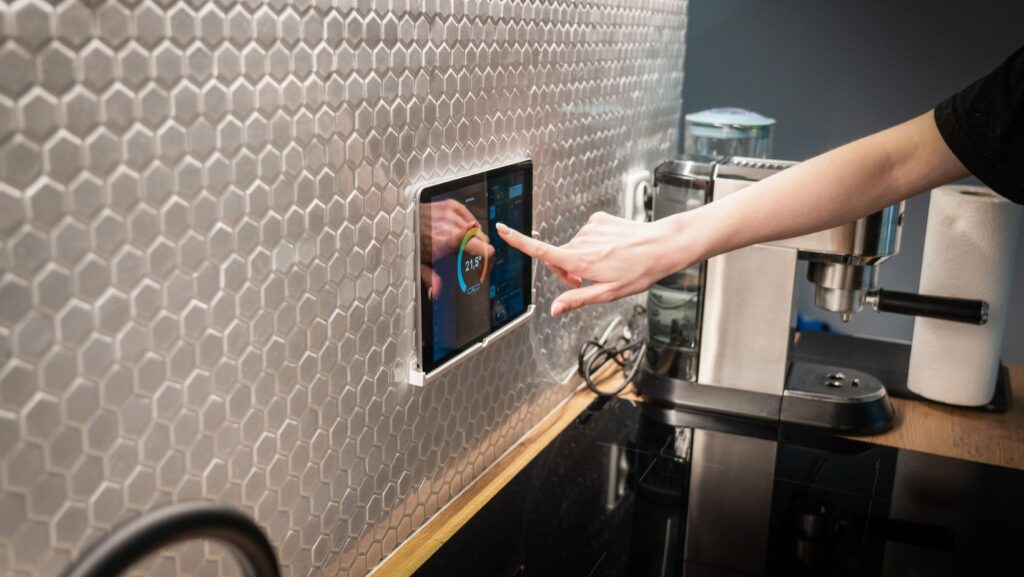
Today’s smart home devices aren’t just for convenience—they can also help control costs. Tools like programmable thermostats, smart plugs, and motion-sensor lighting can help you better manage energy use and reduce waste.
- Smart Thermostats: Automatically adjust heating and cooling based on your schedule, helping you save up to 10% annually on energy bills.
- Smart Plugs: Allow you to turn off electronics remotely and monitor power usage.
- LED Smart Bulbs: Can be dimmed or scheduled via apps, helping you use light only when needed.
While these devices often have an upfront cost, they quickly pay for themselves through lower utility bills and increased control over your home environment.
Budgeting for Affordable Comfort
Affordability isn’t just about spending less—it’s about spending smarter. When upgrading your home, prioritize improvements that address your biggest expenses or quality-of-life needs first.
For instance, if you’re struggling with high heating bills, focus on insulation and draft-proofing before investing in decor. If your kitchen feels cramped, prioritize organizational tools before considering major renovations. Making data-driven decisions about where to allocate funds ensures every dollar counts.
You can also look for community programs that help with housing support, energy upgrades, or rental assistance. For those exploring affordable housing options or rental programs, browsing verified Section 8 Listings can be a helpful starting point for finding cost-effective living arrangements that align with your financial goals.
Sustainable Choices That Save Money
Living sustainably doesn’t mean spending more—it often means making smarter use of what you already have. Reusing materials, repairing instead of replacing, and sourcing secondhand furniture can make your home eco-friendly and budget-friendly at the same time.
Try These Low-Cost, High-Impact Swaps:
- Refinish, don’t replace: Instead of buying new cabinets, a fresh coat of paint or updated hardware can transform your kitchen.
- Repurpose furniture: A dresser can become a TV stand, or old shelves can be reimagined as a pantry organizer.
- Shop secondhand: Thrift stores, online marketplaces, and local “buy nothing” groups are excellent sources for quality furniture and home decor at little to no cost.
Making sustainable upgrades not only saves money but also adds a sense of purpose and creativity to your home improvement journey.
Building a Long-Term Housing Strategy
Stretching your housing budget is about more than quick fixes—it’s about planning for the future. Whether you rent or own, developing a long-term strategy for home maintenance and upgrades can keep costs predictable and prevent unexpected financial strain.
- Create a Home Maintenance Schedule: Regularly checking things like air filters, smoke detectors, and plumbing can help avoid expensive emergency repairs.
- Track Your Energy Usage: Many utilities offer free online dashboards that show where your energy goes each month. Use this data to target waste and set realistic savings goals.
- Plan Incremental Upgrades: Instead of tackling large projects all at once, break them into smaller, budget-friendly steps. This approach keeps your finances manageable while still improving your home over time.
Final Thoughts
A well-maintained, efficient, and comfortable home doesn’t have to come with a hefty price tag. By focusing on smart, sustainable upgrades and thoughtful budgeting, anyone can create a living space that supports both financial stability and everyday comfort.
The key is to make decisions that align with your lifestyle and long-term goals—prioritizing improvements that add value and save money where it counts most. Whether you’re working within a tight budget or looking to optimize your current home, even small steps can lead to significant results.