
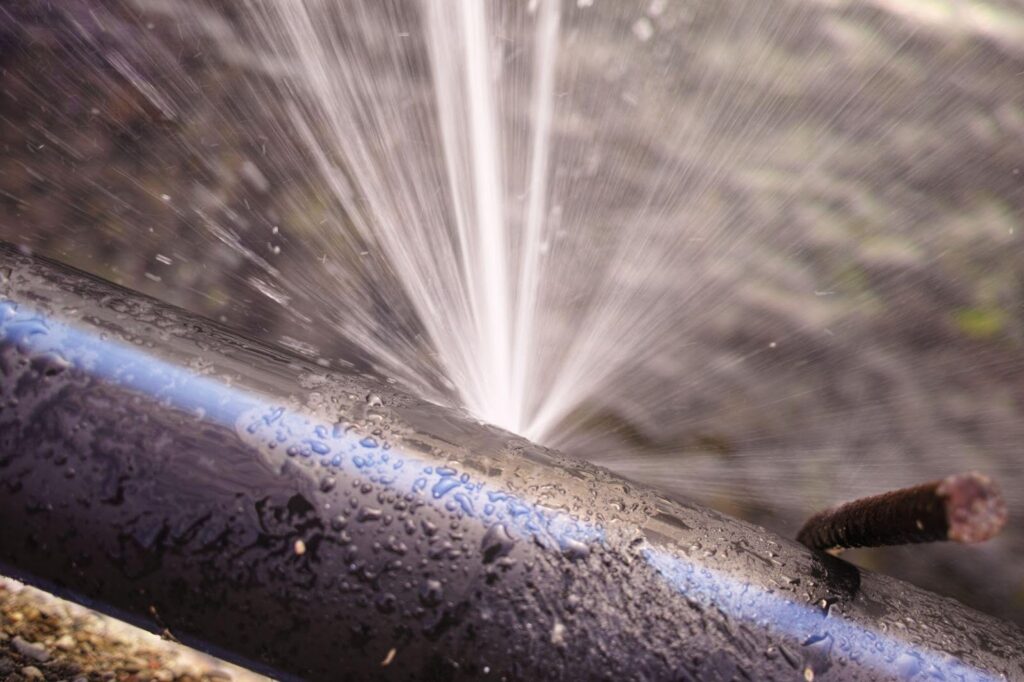
Pipes do not burst out of nowhere. They fail after weeks, months, or years of stress building inside a closed system. Temperature shifts, pressure imbalance, corrosion, and installation shortcuts all compound until the pipe finally gives way. By the time water is pouring into a wall or ceiling, the real problem has already been in motion for a long time.
What makes burst pipes so destructive is not just the break itself, but how often the early signs are dismissed. A pressure drop here, a noise behind the wall there. Small signals that are easy to ignore until the system fails all at once.
In this article we’ll discuss burst pipe causes, the kind of damage that follows, and which repair choices actually stop the problem instead of postponing it.
Why Pipes Break Under Pressure Instead of Gradually Leaking
Plumbing systems are built to hold steady internal force. Once that balance is disrupted, pipes are far more likely to fail suddenly rather than develop slow, visible leaks. Pressure has nowhere to escape, so it builds until the pipe reaches its breaking point. This is why early pressure-related issues are often flagged first by local plumbing experts during inspections, long before a full rupture occurs.
Freezing Water Creates a Pressure Trap
Frozen water remains the most common trigger for pipe failures in colder regions, but the break rarely happens when temperatures are lowest. Ice blocks part of the line, trapping water between the blockage and the fixture. As temperatures rise and the ice begins to thaw, pressure spikes inside the pipe. That surge is what splits the pipe open.
The highest-risk areas are predictable:
- Supply lines inside exterior walls
- Uninsulated basements and crawl spaces
- Garages with intermittent heat
- Properties left vacant during winter
Corrosion Weakens Pipes From the Inside Out
Aging pipes do not fail evenly. Corrosion narrows the interior diameter of the pipe, forcing water through a smaller channel at higher velocity. As the pipe wall thins, pressure rises, flow becomes turbulent, and weak points develop along the line. Galvanized steel pipes are especially vulnerable, while older copper lines can also deteriorate depending on water chemistry and mineral content, including the type of corrosion affecting the material.
When a corroded pipe finally bursts, the failure is rarely isolated. Other sections of the system are often already compromised and close to failing as well.
Water Pressure That Never Drops Is a Problem
Consistently high water pressure wears on pipes, fittings, and joints. Pressure regulators fail. Municipal supply changes. Renovations introduce new fixtures without recalculating system demand. The result is a system that operates under constant strain.
Instead of a slow leak, pressure-related failures tend to be abrupt and severe.
Installation Shortcuts Leave Pipes With No Margin for Error
Pipes that are poorly supported, bent too tightly, or forced into framing cavities without proper clearance wear down faster. Vibration from water flow, appliances, and temperature changes causes friction against surrounding materials. Over time, the pipe wall thins at those contact points until it ruptures.
Early Signs of Burst Pipes Are Often Subtle and Easy to Miss
Not every burst pipe announces itself with flooding. Many begin as small fractures that leak just enough to cause hidden damage.
Signals That Deserve Immediate Attention
Common signs of burst pipes include:
- Sudden or uneven drops in water pressure
- Banging, knocking, or hissing behind walls
- Stains that slowly spread across ceilings or drywall
- Rust-tinted or cloudy tap water
- Water bills that increase without explanation
Can a Pipe Fail Without Any Visible Water?
Yes. A pipe can rupture inside a wall cavity and drain directly into insulation or framing. In these cases, damage accumulates quietly. Mold, rot, and structural weakening often appear before the leak is discovered.
Damage Caused by Burst Pipes Extends Well Beyond the Leak Itself
Water does not stay where it lands. It follows gravity, seeps into materials, and spreads through structural voids.
Structural Materials Absorb Water Immediately
Drywall softens and loses integrity within minutes. Wood framing swells, joints loosen, and subfloors trap moisture beneath finished surfaces. Even after the visible water is removed, damage continues if materials remain saturated.
Electrical Systems Are Frequently Compromised
Water intrusion near outlets, wiring, or panels creates safety risks that cannot be ignored. Electrical damage often delays repairs and increases restoration costs, especially when access is limited behind finished surfaces.
Mold Growth Starts Faster Than Most Owners Expect
Moisture trapped behind walls or under flooring can support mold growth in as little as 48 hours. Once mold spreads, remediation becomes invasive and expensive.
What Immediate Action Limits Damage After a Pipe Bursts
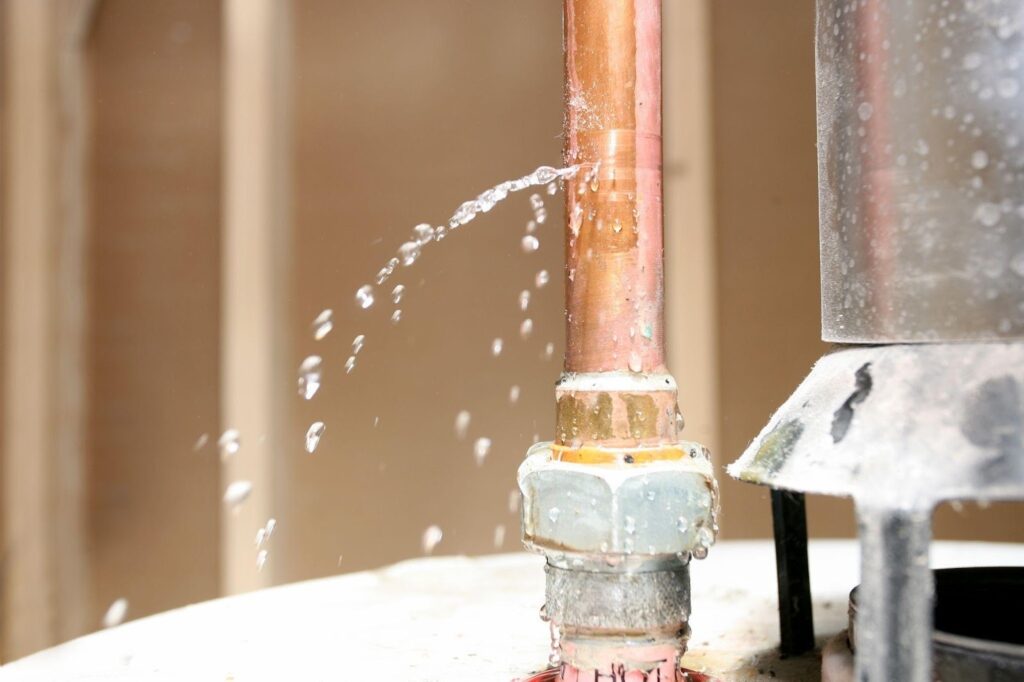
The first response determines how far the damage spreads.
- Shut off the main water supply
- Open faucets to release pressure
- Cut power to affected areas if water is present
- Move valuables away from wet zones
- Contact a licensed plumber
Every hour of delay allows water to penetrate deeper into the structure.
How to Fix Burst Pipes Without Creating a Repeat Failure
Knowing how to fix burst pipes means knowing when containment is acceptable and when replacement is unavoidable.
Temporary Repairs That Only Buy Time
Emergency measures such as clamps, epoxy, or repair tape can slow water loss, but they do not restore pipe strength. These solutions are meant to control damage, not resolve it.
Burst Pipe Repair Explained Beyond the Basics
Professional burst pipe repair explained properly includes:
- Removing the damaged pipe section entirely
- Installing new material rated for pressure and temperature
- Securing lines to prevent vibration and movement
- Pressure testing before closing walls
- Checking nearby sections for early-stage failure
In older systems, replacing a single section often exposes additional weak points. In those cases, partial or full repiping prevents recurring emergencies.
Pipe Material Choices Directly Affect Failure Rates
Not all pipe materials respond the same way to stress.
- Copper performs well long term but corrodes under certain water conditions
- PEX tolerates freezing better due to its flexibility
- PVC is suitable for drainage, not pressurized supply lines
- Galvanized steel corrodes internally and fails unpredictably
Upgrading outdated materials reduces the likelihood of repeat bursts and insurance claims.
Preventing Burst Pipes Is About Reducing Stress on the System
Prevention focuses on minimizing exposure to cold, pressure spikes, and movement.
Practical Prevention Measures
- Insulate pipes in unheated spaces
- Seal air leaks around plumbing runs
- Maintain consistent indoor temperatures
- Drain and shut off exterior supply lines
- Schedule professional inspections
Does Preventive Maintenance Actually Pay Off?
Yes. Properties that address vulnerabilities early experience fewer emergency repairs and significantly lower water damage costs over time.
When Professional Repair Is Not Optional
A licensed plumber should be involved when:
- Pipes burst inside walls or ceilings
- Multiple leaks appear at once
- Water reaches electrical systems
- Mold or structural damage is suspected
Improvised repairs in these situations often fail inspection and increase long-term expenses.
Why Pipe Failures Keep Returning
Burst pipes are rarely isolated events. They are the result of unresolved pressure issues, aging materials, or environmental exposure that continues until it is addressed properly. Recognizing burst pipes causes, acting on early warning signs, and choosing repairs that strengthen the system reduces the chance of repeat damage.
Plumbing systems that are maintained and upgraded fail less often and recover faster when problems occur.