
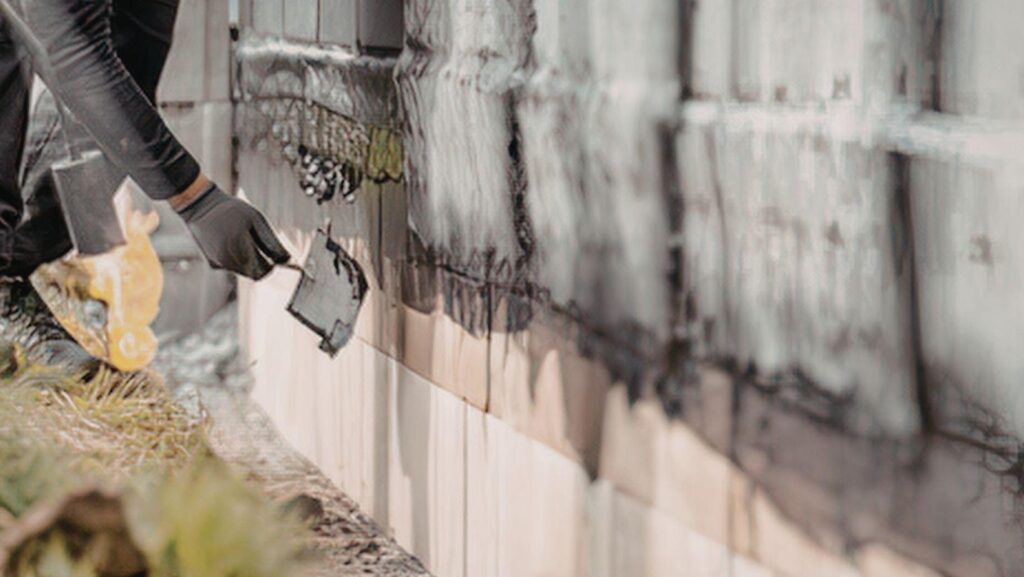
Most people think that applying a new coating is all about the quality of the paint or the sealant itself. You buy the most expensive bucket on the shelf, grab a brush, and expect it to last for a decade. However, the real magic happens before the lid even pops open. If the surface isn’t pristine, you are basically throwing your money into the wind. When you are looking for a roof repair sandy contractor to handle a professional job, they will tell you that prep work is roughly eighty percent of the labor. A beautiful finish on a dirty base is just a ticking time bomb for peeling and cracking.
The Invisible Enemy of Adhesion
Adhesion is the scientific word for how well a coating sticks to a surface. For a coating to work, it needs to form a tight bond with the substrate. Contaminants like dust, oil, and moisture act as a physical barrier that prevents this bond from forming. Think of it like trying to put a piece of tape on a pile of flour. No matter how sticky the tape is, it will only grab onto the loose powder and fall right off.
In many cases, the most dangerous contaminants are the ones you cannot see. Chemical residues or microscopic oils can sit on a surface and look perfectly clean to the naked eye. When the coating dries, it creates internal tension. If the bond to the surface is weak because of these invisible films, the coating will eventually pull itself away. This leads to bubbling and flaking that leaves the underlying material vulnerable to the elements.
Moisture and the Blistering Problem
Moisture is perhaps the most common reason for coating failure. It can be trapped deep within the pores of a material like wood or concrete. If you apply a non-breathable coating over a damp surface, that water has nowhere to go. As the sun beats down on the area, the moisture turns into vapor and expands.
This pressure builds up until it pushes the coating outward, creating unsightly blisters. Eventually, these blisters pop, leaving holes in your protection. Beyond just the visual mess, trapped moisture can lead to rot or mold growth underneath the new layer. This creates a structural nightmare that is far more expensive to fix than a simple recoat. You always have to ensure the surface is bone dry and that the humidity levels are right before you start the application process.
Salt and Chemical Interferences
If you live in an area with high salt content in the air or near a busy road where de-icing chemicals are used, your surfaces are likely covered in salt. Salt is hygroscopic, which means it naturally pulls moisture out of the air. If salt is trapped under a new coating, it will literally suck water through the cured film.
This process is called osmosis. It creates liquid-filled bubbles between the coating and the surface. Not only does this ruin the look of the project, but it also accelerates corrosion on metal surfaces. Chemical contaminants like leftover cleaning agents or acidic rain residue can also react with the ingredients in the coating. This can prevent the material from curing properly, leaving you with a sticky or brittle mess that never quite hardens the way it should.
Mechanical Bonding and Surface Profile
Cleanliness is not just about removing dirt. It is also about the texture of the surface. Many coatings require a certain “profile” or roughness to grab onto. If a surface is contaminated with old, slick paint or wax, the new layer has nothing to bite into. This is why professional contractors spend so much time sanding, grinding, or pressure washing.
Removing loose debris and old flaking material is essential. If the new coating is sitting on top of an old layer that is already failing, the whole system will collapse. You are only as strong as your weakest link. By removing grease and old chalky residue, you expose the raw material, allowing the new application to become part of the surface rather than just a loose skin sitting on top of it.
Final Word
Taking the time to clean and prep might feel like a chore, but it is the only way to ensure your investment lasts. Cutting corners during the cleaning phase will always lead to premature failure and more work down the road. If you want the job done right the first time, hiring an expert roof repair sandy contractor is the best way to guarantee that every square inch is prepped to perfection. Quality results always start with a clean slate.