

Have you ever stumbled across the term ‘potosterums’ and thought, what on Earth is that? Well, join us, as we jump into the intriguing realm of potosterums. You might think they’re an exotic dish at your favorite restaurant, but fear not. Instead, they are remarkable entities in our ecosystem worth knowing about. This little-known gem is not only intriguing but also vital to our environment, so let’s unravel the mysteries together in a way that’s both informative and fun.
Potosterums
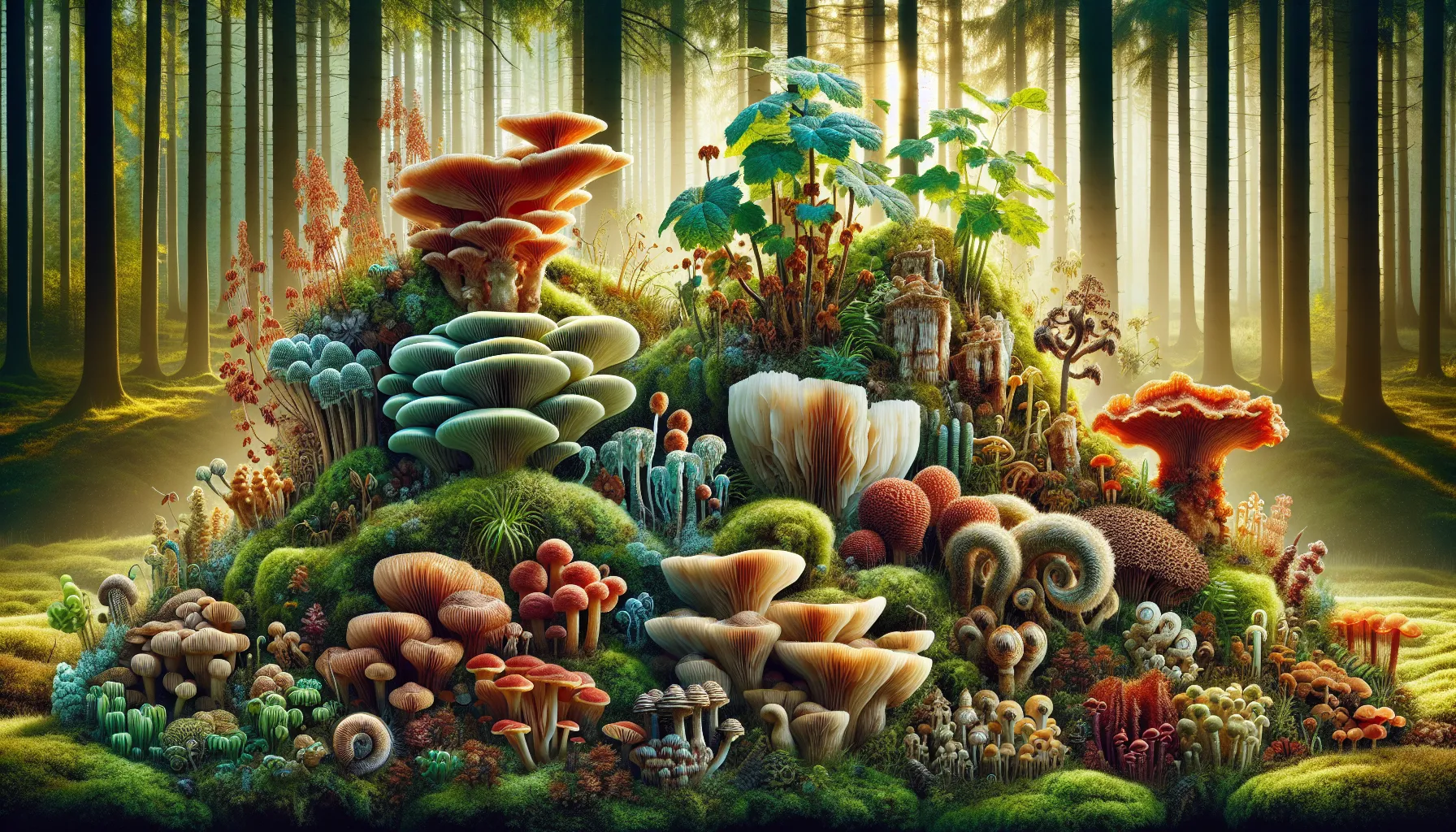
Potosterums, often overshadowed by their flashier counterparts, play a crucial role in our ecosystem. In simple terms, they are organisms that contribute to the biodiversity of our planet. While the scientific community might classify them under obscure categories, at their core, potosterums refer to a unique group of living entities that offer more than just their existence. They can range from lesser-known plants, fungi, or microorganisms that have remarkable abilities and complexities.
Understanding potosterums means acknowledging their contributions to various ecological systems. These versatile life forms can adapt to different environments, and their functions often overlap with other ecosystems around them, making them a vital part of our biological community.
Historical Significance of Potosterums
The historical significance of potosterums is both accidental and deliberate. Historically speaking, these organisms were often taken for granted until researchers realized their potential. Many studies have linked the presence and activities of potosterums to the health of ecosystems. For instance, ancient cultures might not have specifically named potosterums, but they understood the intrinsic value of biodiversity, relying on these organisms for survival and well-being.
Through the ages, potosterums have shown us how ecological balance can be maintained and how disturbances in their populations can lead to negative consequences. Their unique resilience offers a lens through which we can view environmental changes and impacts over time.
Characteristics of Potosterums
So, what exactly makes potosterums stand out? One of their hallmark characteristics is adaptability. As we observe them, we find that many potosterums can thrive in various habitats ranging from arid deserts to lush forests. Their ability to alter their physiology is nothing short of remarkable. For example, certain species can alter their growth patterns based on available nutrients, showcasing an evolutionary masterclass.
Also, potosterums often feature unique reproductive strategies that maximize their chances of survival. Some can reproduce both sexually and asexually, ensuring their legacy continues even in challenging conditions. Their remarkable ability to form symbiotic relationships adds another layer to their complexity, showcasing how interconnected our ecosystems truly are.
Ecological Role of Potosterums
Potosterums hold a cornerstone position in their ecosystems. They often act as indicators of environmental health, signaling changes in habitat quality or climate conditions. For us, they can remind us that every organism, no matter how small, contributes to the big picture.
Plus, potosterums provide numerous ecological services. They help in nutrient cycling, aid in soil formation, and even contribute to carbon sequestration. Basically, every potosterum is a tiny multitasker, performing essential roles that keep nature’s gears turning.
Common Species of Potosterums
When it comes to common species of potosterums, we’ve only scratched the surface. Some species are more recognized within certain circles but haven’t made a grand appearance in mainstream discussions. For example, some potosteric plants have adapted to thrive in urban environments, while others flourish in untouched wilderness.
Also, we’ve been exploring their applications in medicine and agriculture, highlighting species that might one day enrich our lives in more ways than one. As we learn more, it becomes evident that potosterums deserve their time in the spotlight.
Conservation and Protection Efforts for Potosterums
With all their importance, we cannot overlook the need for conservation efforts targeted at potosterums. Their habitats often face threats from urbanization, pollution, and climate change. By raising awareness and implementing conservation strategies, we can ensure the survival and health of these valuable organisms.
Organizations around the globe are focusing on research, education, and habitat preservation to protect potosterums. When we take collective action, we safeguard not only potosterums but the entire ecological integrity of our planet.