

Did you know your roof colour energy efficiency choices could be silently inflating your monthly bills? Most homeowners focus on appliance upgrades or thermostat settings when trying to reduce energy costs, overlooking the significant impact their roof colour has on home temperature regulation. Surprisingly, the colour of your roof can affect indoor temperatures by up to 20–30 degrees. Dark-coloured roofs absorb heat, consequently forcing cooling systems to work harder during summer months. Light-coloured roofs, however, reflect sunlight and can substantially reduce cooling demands. This hidden factor in home energy consumption deserves attention, especially as energy prices continue to rise.
How Roof Colour Affects Heat and Energy Use
The science behind roof colour and energy use comes down to basic physics. Your roof’s colour determines how much heat enters your home, affecting both comfort levels and energy consumption.
Light colours reflect sunlight
The science behind roof colour and energy use comes down to basic physics. Your roof’s colour determines how much heat enters your home, affecting both comfort levels and energy consumption. Proper insulation, ventilation, and material choice also influence how effectively a roof manages heat. Combined with roof colour, these factors play a key role in energy efficiency and indoor comfort. For homeowners, choosing the right materials and installation methods can make a noticeable difference in both energy bills and comfort. Marks Roofing operates as a full-service Vancouver roofing company, providing both roof repairs and new installations. Every project is assessed based on roof condition, materials, and local climate demands.
Dark colours absorb heat
Darker roof colours like black, deep gray, and rich brown absorb more of the sun’s energy and convert it to heat. Dark roofs can run 10-15°F hotter than lighter counterparts under direct sunlight, increasing the heat load on cooling systems. Although dark roofs lose heat faster after sunset, daytime heat gain typically outweighs this advantage in warm climates.
Impact on attic and indoor temperatures
Roof colour directly influences indoor temperatures, starting with the attic. In homes without optimal insulation and ventilation, a dark roof can raise attic temperatures substantially, which gradually radiates into living spaces. Upper floors can become 10-15 degrees warmer than lower floors, making cooling more energy-intensive.
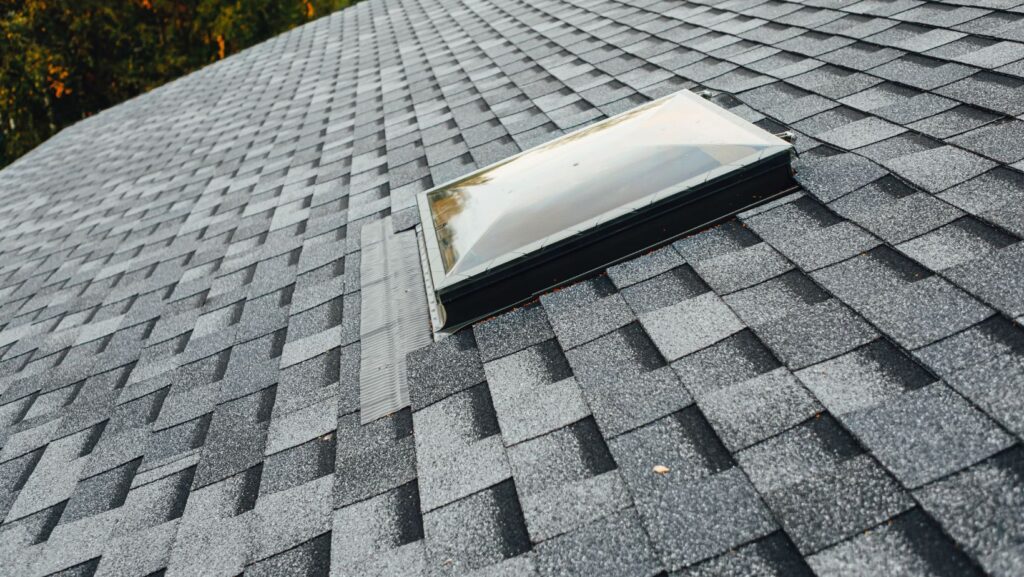
Cool roofs can lower maximum indoor temperatures by 1.2–3.3°C (2.2–5.9°F) in non-air-conditioned homes and reduce peak cooling demand by 11–27% in air-conditioned homes. Lighter roof colours reduce heat entering the building, easing strain on air conditioning systems, improving comfort, and lowering energy bills by 10-15% during summer months.
While roof colour significantly affects temperature and energy use, proper insulation and ventilation also remain essential for maintaining energy efficiency.
The Role of Climate in Roof Colour Choice
Hot climates vs. cold climates
In warmer Canadian regions such as southern British Columbia, parts of Southern Ontario, and coastal areas, lighter roof colours provide advantages. White, light gray, beige, and tan roofs reflect sunlight, keeping homes cooler during summer and reducing energy consumption.
Conversely, colder regions benefit from darker roofs. Black, dark gray, dark brown, and deep red absorb more solar heat, assisting with warming homes during long winters. This is especially valuable in provinces like Manitoba and other central and eastern parts of Canada, where heating costs outweigh cooling expenses. Dark shingles also help melt snow and ice, reducing ice dam risks.
Seasonal extremes and regional differences
Locations with dramatic seasonal shifts face unique challenges. In regions like Southern Ontario or Nova Scotia, where winters are freezing and summers hot and humid, roof colour decisions become complex. Light roofs may reduce summer cooling costs, while darker roofs help retain winter heat.
Colder climate zones–common across much of Canada–often see limited benefits from highly reflective “cool roof” technologies. In these areas, the heating penalty from reflective roofs during colder seasons may offset summer advantages. Geographical location determines which colour provides maximum efficiency. Sunny, warmer regions benefit from reflective surfaces, whereas cold, cloudy areas favour darker, heat-absorbing roofs.
Balancing year-round energy needs
For homeowners in mixed climates, the annual energy impact of roof colour choices is often small, making insulation, air sealing, and proper ventilation equally important. Assess your home’s primary energy expense. If cooling costs dominate, lighter roofs typically make sense; if heating dominates, darker shades are more efficient.
Ultimately, the ideal roof colour depends on your local climate, home design, insulation, and personal preferences. Considering regional weather patterns and seasonal energy demands helps homeowners choose roofing that supports comfort and efficiency year-round.
Comparing Popular Roof Colours and Their Efficiency
When homeowners select roofing colours, they often prioritize aesthetics over energy performance–yet the right choice can satisfy both visual appeal and financial sensibility. Let’s examine how popular roof colours stack up in terms of energy efficiency.
Charcoal and dark gray
Charcoal and dark gray shingles remain popular for their bold appearance and versatility. Dark roofs can be 10–15 degrees hotter than lighter alternatives, impacting indoor temperatures, particularly upper floors. Dark roofing loses heat faster after sunset, which can benefit regions with predominantly cold weather.
Weathered wood and medium brown
Weathered wood and medium brown shingles provide a middle ground for energy performance. These mid-tone neutrals offer moderate heat absorption and perform reasonably well year-round, complementing both modern and classic home styles.
Light gray and driftwood
Light gray and driftwood shingles deliver enhanced energy performance through improved reflectivity. These colours maintain cooler surface temperatures, ideal for homes with high sun exposure, and represent a practical “sweet spot” between aesthetics and efficiency.
Beige, tan, and white tones
Beige, tan, and white roofs are the most energy-efficient in warm climates. White roofs can reflect up to 90% of sunlight, reducing heat transfer and cooling costs. These light colours maximize efficiency, especially in regions where cooling demands dominate, though they may be less appealing on homes with darker trim or earth-toned siding.
Beyond Colour: Materials and Technology That Matter
Your roof’s material composition often outweighs colour in determining energy performance. Advanced roofing technologies and material properties can dramatically alter how your home manages heat.
Reflective granules and cool roof coatings
Even darker roofs can achieve energy efficiency through specialized technologies. Cool roofs use reflective granules or coatings to improve solar reflectance, deflecting the sun’s heat regardless of colour. These materials enhance both reflectivity and emissivity–how well the roof releases absorbed heat.
Reflective asphalt shingles use specially treated granules to reduce cooling costs while maintaining durability. Some manufacturers produce darker shingles with reflective properties that meet energy codes without compromising aesthetic appeal. The technology involves semi-ceramic coated granules in adhesives or asphalt to create a durable, reflective surface. Initially more expensive, this investment typically pays off through long-term energy savings.
Metal vs. asphalt vs. tile
Among popular materials, metal stands out for energy efficiency. Metal roofs reflect a substantial portion of sunlight, helping maintain lower roof and attic temperatures and reducing cooling loads by 10–25%.
Standard asphalt shingles absorb sunlight and convert it to heat, forcing HVAC systems to work harder and increasing energy use. Tile and slate offer thermal mass advantages, acting as natural insulators that heat up and cool down slowly, helping maintain consistent indoor temperatures, especially in climates with significant day-night temperature swings.
How material choice affects heat transfer
The physics of heat transfer varies dramatically across roofing materials. Metal roofs excel at reflecting heat before it enters your home. Asphalt primarily relies on granule coatings for its thermal properties. Tile works through thermal mass–absorbing heat slowly and releasing it gradually.
Cool roof technologies effectively:
- Reduce attic temperatures by minimizing heat absorption
- Lower air conditioning demand by 11–27% in residential buildings
- Decrease associated air pollution and greenhouse gas emissions
With proper material selection, even darker roofs can achieve reasonable energy performance. For optimal results, consider both colour and material when planning your next roofing project.
Supporting Systems: Insulation, Ventilation, and Design
Behind every energy-efficient roof is a trio of critical supporting systems that can either amplify or diminish your energy savings, regardless of colour choice.
Why attic insulation is critical
Proper attic insulation creates a crucial thermal barrier between your roof and living spaces. Reducing heat absorption with reflective coatings can also affect moisture dynamics, potentially causing condensation or mould in cold or humid climates if insulation and ventilation are inadequate. In Canada, upgrading attic insulation can cut home energy consumption significantly – studies and industry sources report that improving attic insulation from old, low‑value levels up to proper recommended values (for example, from R‑12 to R‑50/R‑60) can reduce heating and cooling costs by about 20–30% annually.
This translates into notable savings on energy bills and improved indoor comfort year‑round. Additionally, the average Canadian homeowner can save several hundred dollars per year on energy costs with better attic insulation and typically recoup the upgrade costs within a few years, especially when combined with government rebates.
The role of ventilation in energy efficiency
Proper roof ventilation creates continuous air exchange that prevents attics from becoming heat traps. This balanced system uses intake and exhaust vents to maintain airflow, which can significantly reduce attic temperatures that might otherwise reach 150°F.
In summer, ventilation allows hot air to escape; in winter, it prevents moisture buildup that could compromise insulation effectiveness. Alongside attic fans, this balanced ventilation can substantially decrease cooling demands.
Design elements that enhance or reduce heat gain
Strategic design considerations include HVAC placement–equipment located in poorly ventilated attics experiences significant efficiency losses as cold air warms through duct walls. Simultaneously, reflective roof coatings can help reduce heat absorption, while solar attic fans can actively exhaust hot air during daylight hours.
Conclusion
Your roof colour choice represents far more than an aesthetic decision–it significantly impacts your home’s energy consumption and monthly utility bills. Throughout this article, we’ve examined how different coloured roofs interact with sunlight and affect indoor temperatures. Light-coloured options clearly excel in hot climates by reflecting up to 90% of solar energy, while darker shades provide advantages in colder regions through heat absorption.