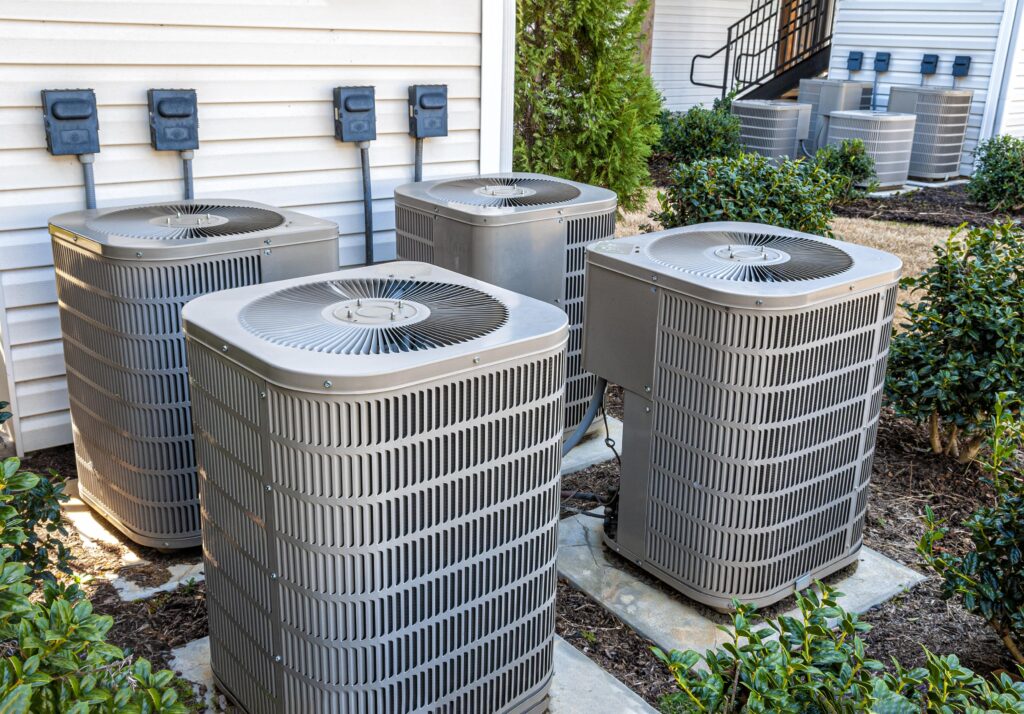
Your air conditioner may be older than you think, and if it’s ten years of age or older, you may be paying a great deal more than you think for running it. It’s not in the form of repair costs, although older air conditioning units were certainly less reliable than the ones we make today. It’s the cost of electricity every time you turn it on. Older systems were built to a different efficiency standard. They don’t have the inverter technology, the smarter sensors, or the tighter engineering that modern residential air conditioning systems now come with as standard. The gap between an older unit and a current one isn’t minor. For most households, it shows up clearly on the quarterly bill.
What Energy Efficiency Actually Means for Your Household
It is not difficult to think of energy efficiency as being some sort of abstract concept, one that is relevant to experts in engineering and environmental studies but has little actual impact on your life. The problem is that this is not true. Energy efficiency in your air conditioning system is actually a question of getting more cooling or more heating per unit of electricity used. When your system is actually efficient, this means that it will get to your desired temperature more quickly, will hold that temperature more steadily, and will do so using less electricity. The difference this makes when your system is running through a full Australian summer is considerable. It is not just the planet that is at stake. It is your bank account.
Understanding the Significance of Energy Star Ratings
Australia has the Zoned Energy Rating Label, which indicates efficiency ratings for hot, average, and cold climates. The more stars a system has in your zone, the lower it will cost to run, as it is a real measure of what it will cost you quarterly. It is a step in the right direction if you are choosing a system with a 2 star energy rating, as opposed to a non-rated system, as it will meet Australia’s minimum efficiency requirements. However, it is worth striving for a system with a higher energy rating, as it will pay off in the long run. It is worth calculating the difference in running costs over ten to fifteen years before purchasing.
The Environmental Case for Upgrading
Lower energy consumption means lower demand on the grid, and lower demand on the grid means fewer carbon emissions from power generation. It’s a straightforward chain, and modern air conditioning sits squarely in it. Newer systems also use refrigerants with significantly lower global warming potential than older alternatives, many of which are now being phased out under Australian regulations. If you’re motivated by environmental considerations alongside the financial ones, upgrading an ageing system is one of the more concrete steps a household can take. The impact is ongoing, not a one-off gesture.
Consistent Comfort in Every Season
One thing that surprises people after moving to a new inverter system is not just how much money they save, but how different the comfort is. Old fixed-speed air conditioning units blow hot or cold air until the thermostat turns them off, then just stop running and let the temperature drift back up. The new inverter system runs the compressor at variable speeds, always trying to make small adjustments to keep your temperature just right. The room is comfortable instead of fluctuating wildly between too cold and just a little too warm. Whether sleeping, working from home, or just unwinding, this makes a real difference in how comfortable your space is.
Smart Features That Make Efficiency Effortless
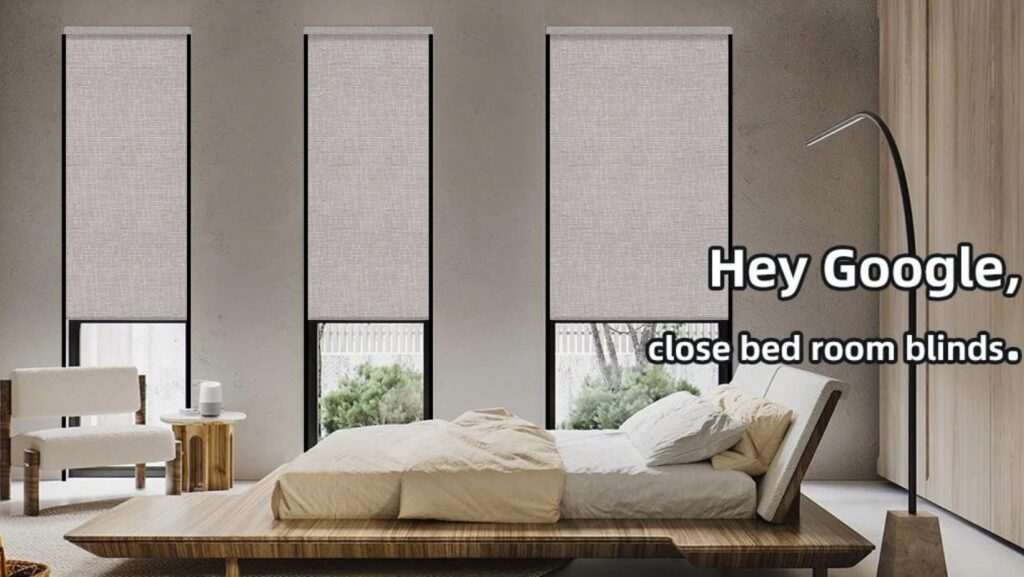
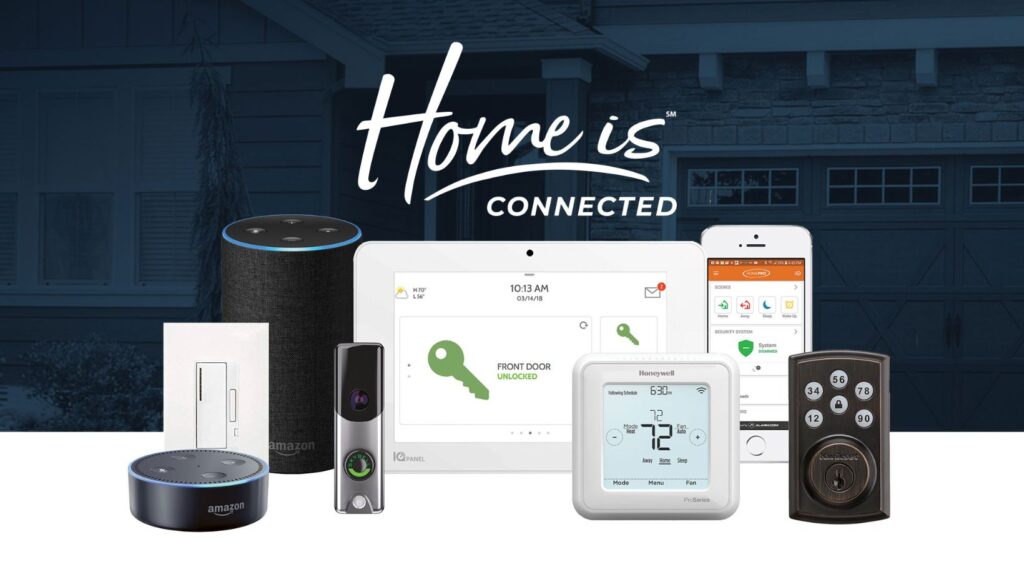
We’re talking scheduling, sleep modes, occupancy detection, remote smartphone access… These aren’t gimmicks. A device that can power down when no one is home, start up when someone is coming home, and run in a lower-draw quiet mode at night is using far less power than one that is being manually controlled, or worse, one that is left on in case someone comes home. The efficiency benefits of using features like this are substantial, and the work required is minimal.
Finding the Right System for Maximum Savings
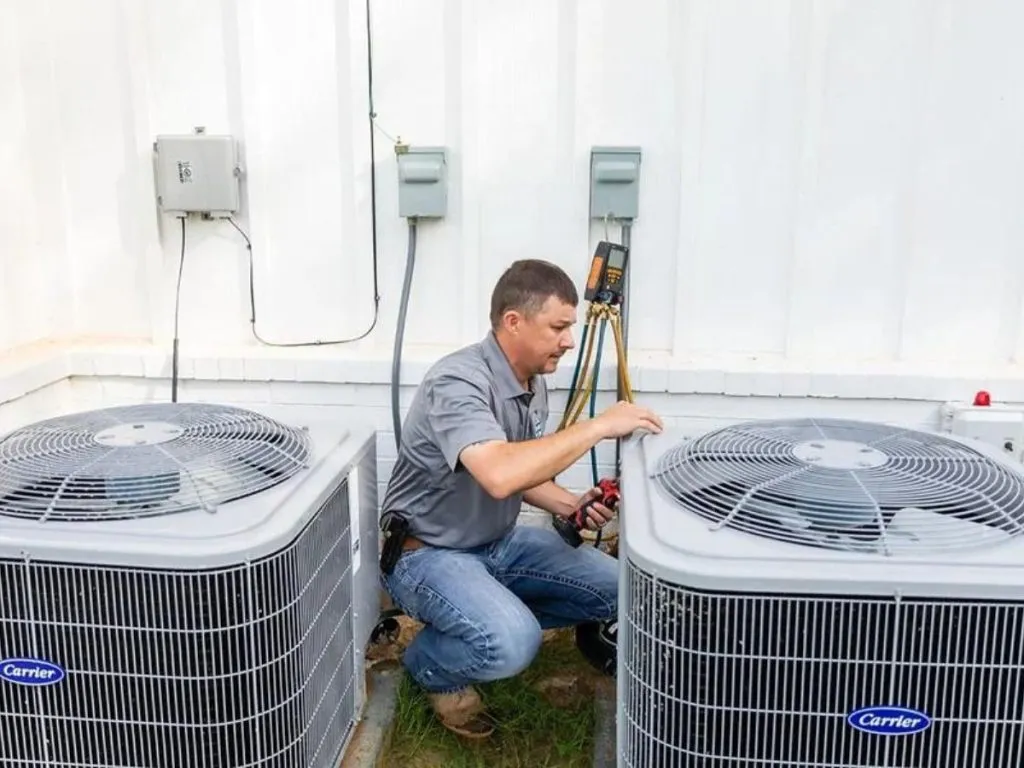
Efficiency ratings only make sense if the system is properly sized for the space. A high-efficiency system that is undersized will run flat out trying to heat the space to the desired temperature, never quite getting there. An oversized system, on the other hand, will short cycle, wasting energy and prematurely wearing out the system’s components. The right size depends on the size of the space, the level of insulation, the amount of sunlight the space receives, and the space’s usage. This is not an online calculation but rather a judgement best left to a professional installer, as the cost of getting it right initially is much lower than the cost of correcting it afterwards.
Start Saving and Staying Comfortable Today
The initial outlay of a modern, energy-efficient system is indeed significant, and one can certainly consider this factor carefully. However, the long-term cost comparison between the existing system and the latest high-efficiency system over five, eight, or ten years tells its own story. It is not just the purchase of comfort; it is the saving of the cost of comfort every quarter over the long term. For the average Australian family, the equation is simple: upgrade now instead of waiting for the existing system to fail completely.